How Do You Choose Between 630nm 660nm and 680nm for Red Light Skin Applications
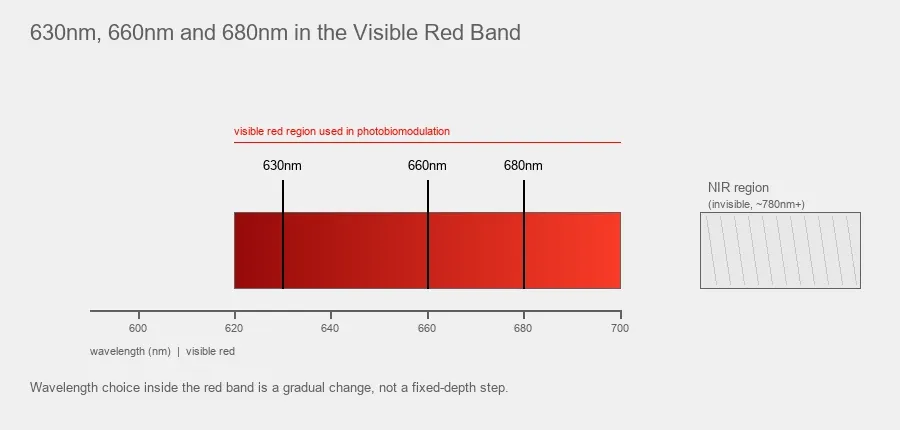
Compare 630nm, 660nm and 680nm for red light skin devices by evidence, tissue depth, irradiance, dose and product design to choose the right wavelength or combination.
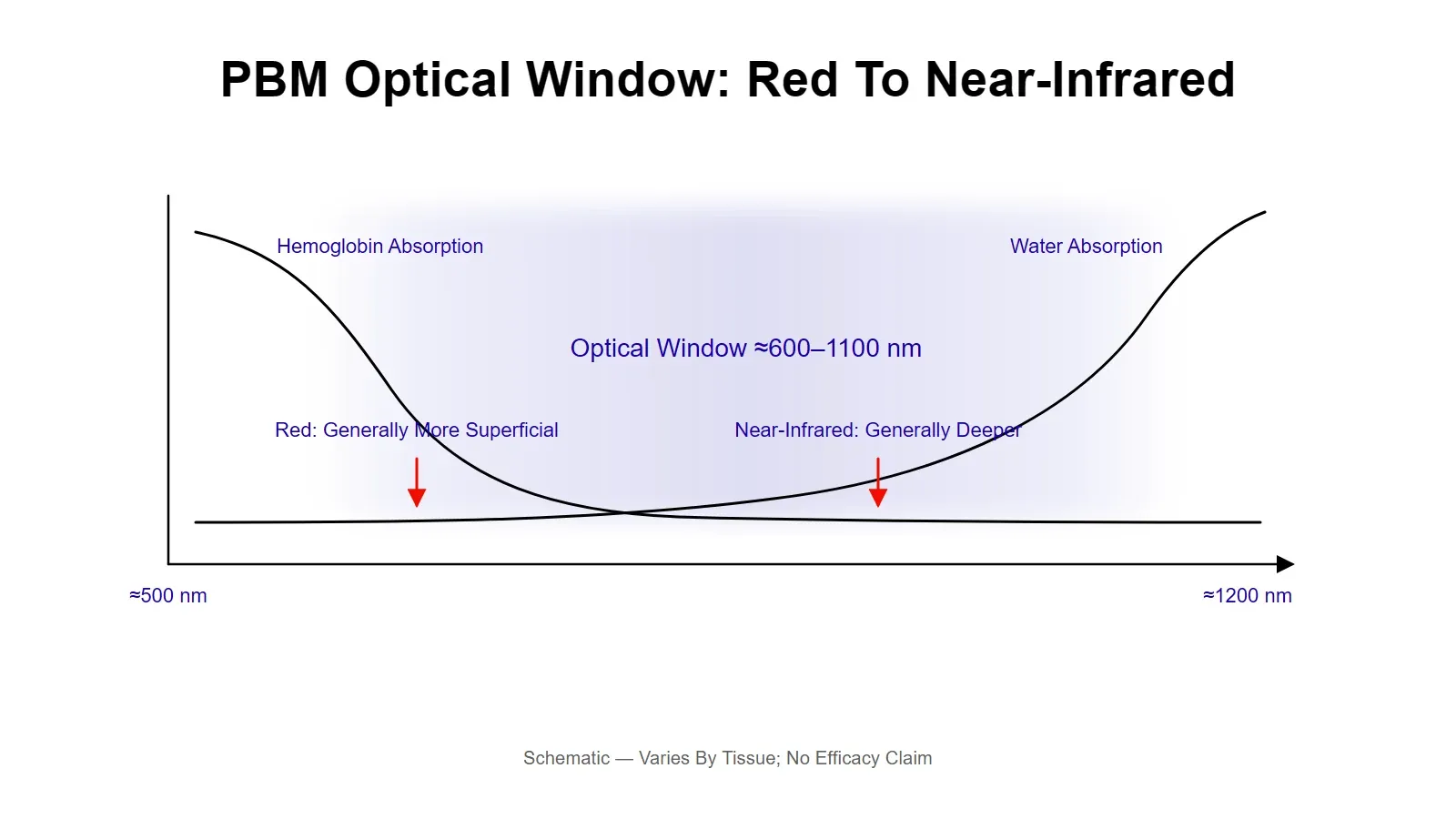
Compare 630nm, 660nm and 680nm for red light skin devices by evidence, tissue depth, irradiance, dose and product design to choose the right wavelength or combination.
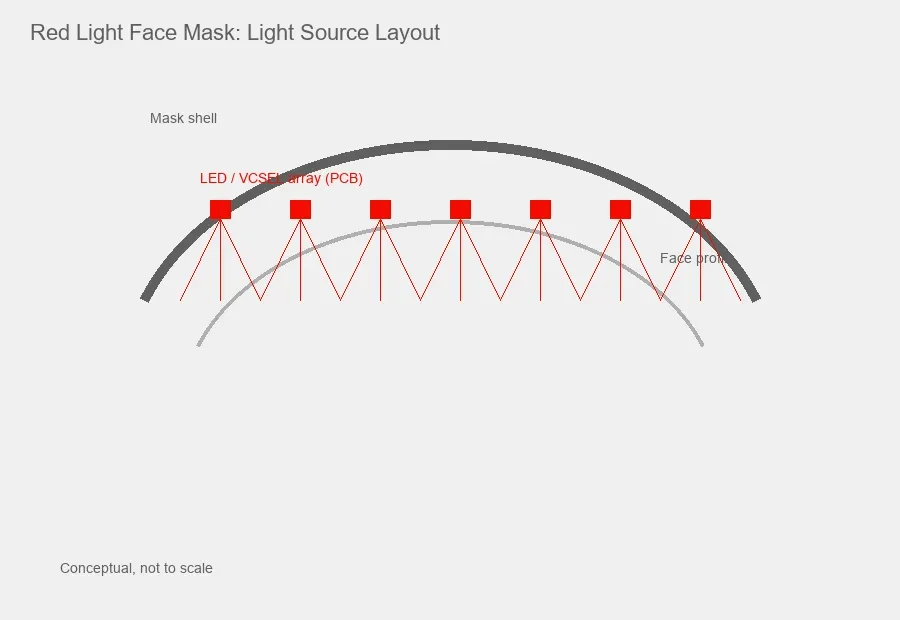
How to select and arrange light sources for a red light face mask: wavelength, irradiance, dose, emitter pitch, uniformity, heat and LED vs VCSEL trade-offs.

When does an LLLT or PBM device need a VCSEL? Compare wavelength precision, beam control, array uniformity, and when an LED is enough.

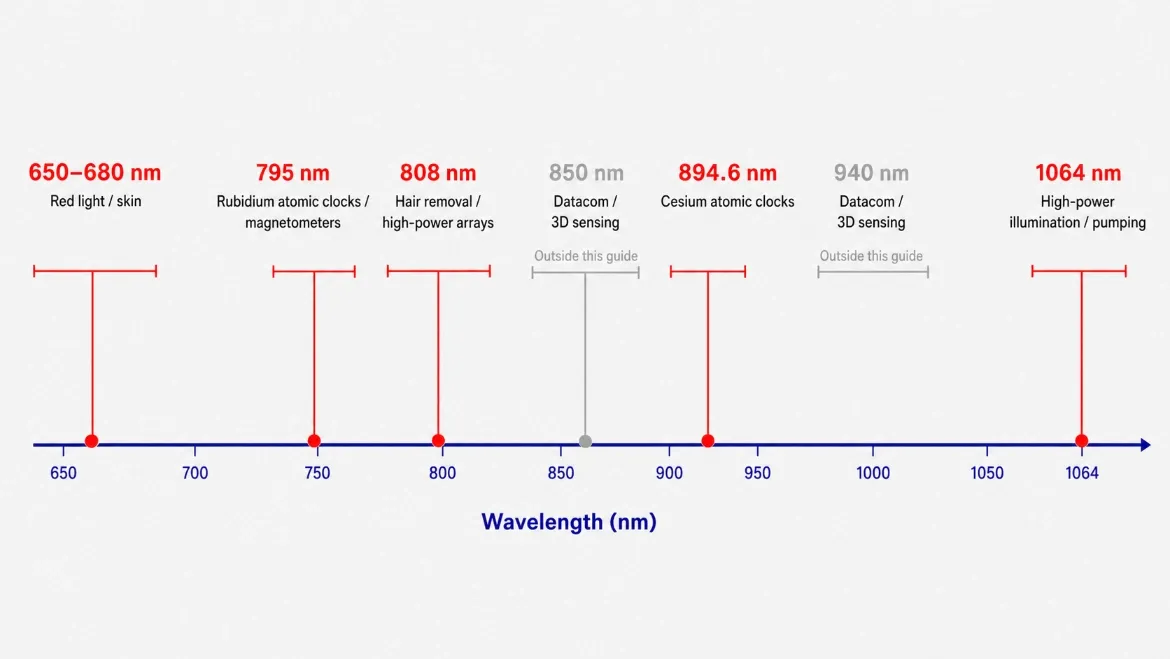
Which VCSEL wavelength should you choose? A quick map from 650 to 1064nm to red light, hair removal, high-power, and atomic sensing uses.

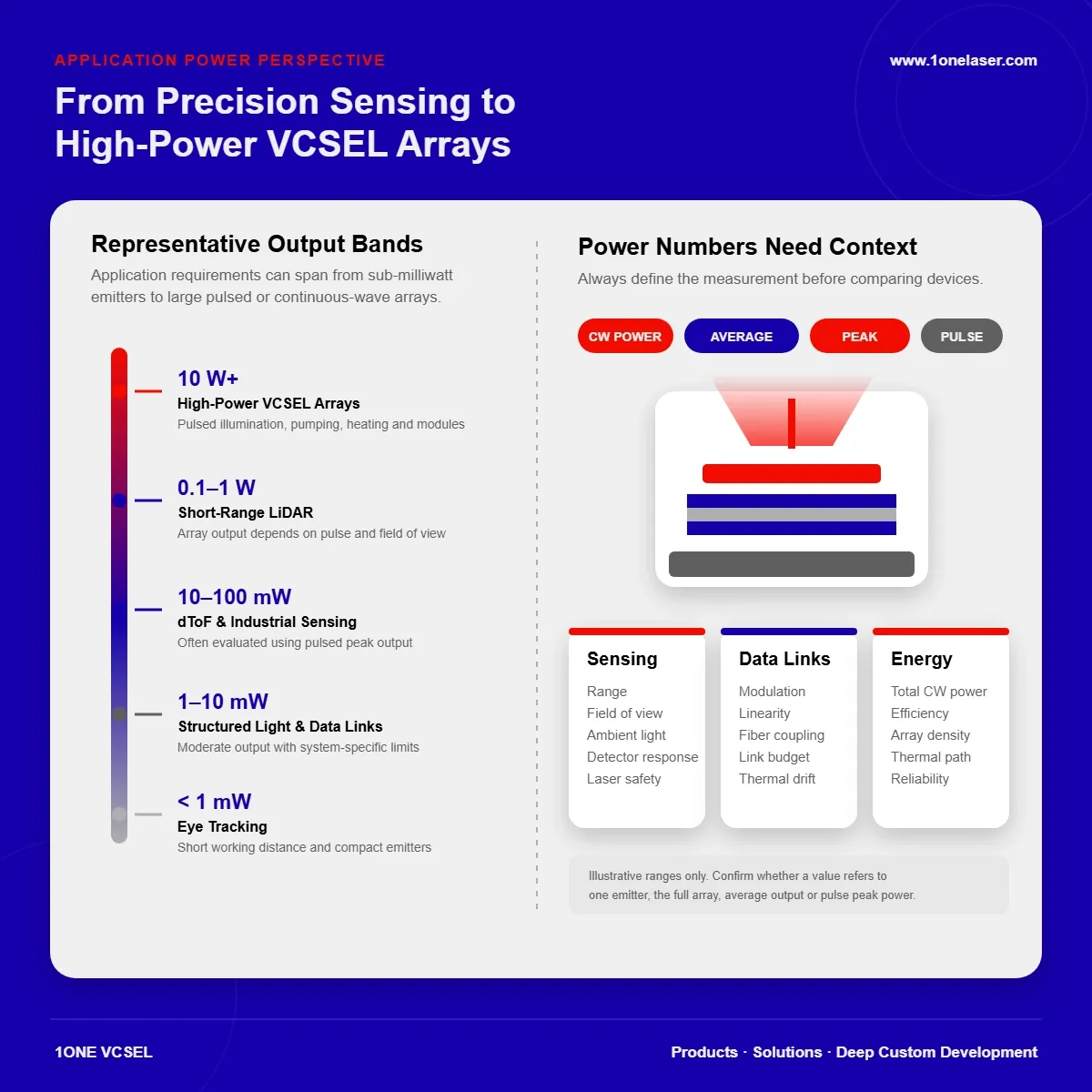
Learn how VCSEL power requirements change with distance, pulse mode, array size, optics, thermal limits, and laser safety.

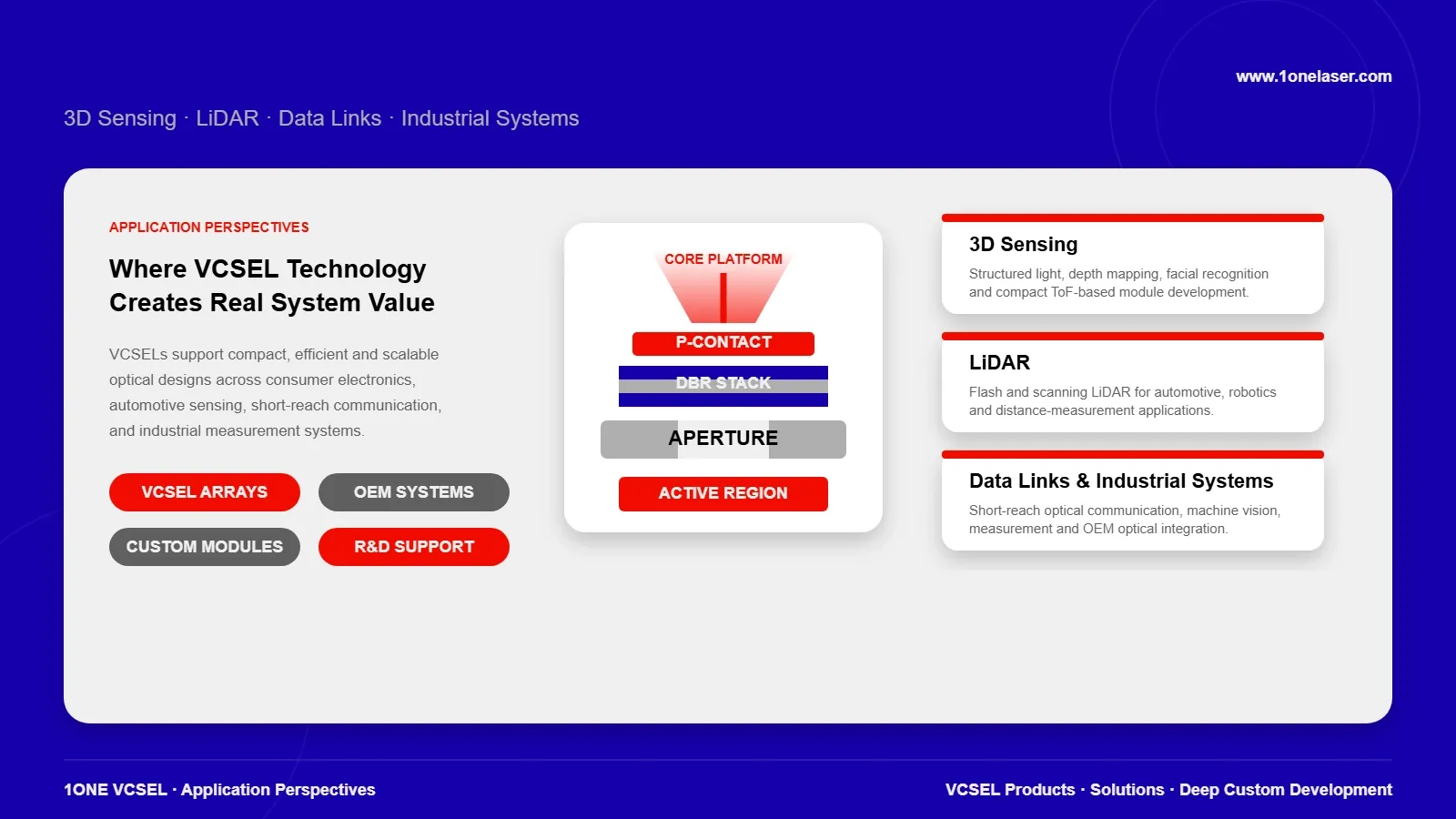
Explore how VCSEL technology supports sensing, data communication, industrial measurement, optical-module design, and custom OEM system development.

VCSEL sources, multi-wavelength design, and regulatory documentation for OEM hair-growth devices, facial masks, and therapy systems.