Best Wavelength for Red Light Therapy? A Guide for Device Makers
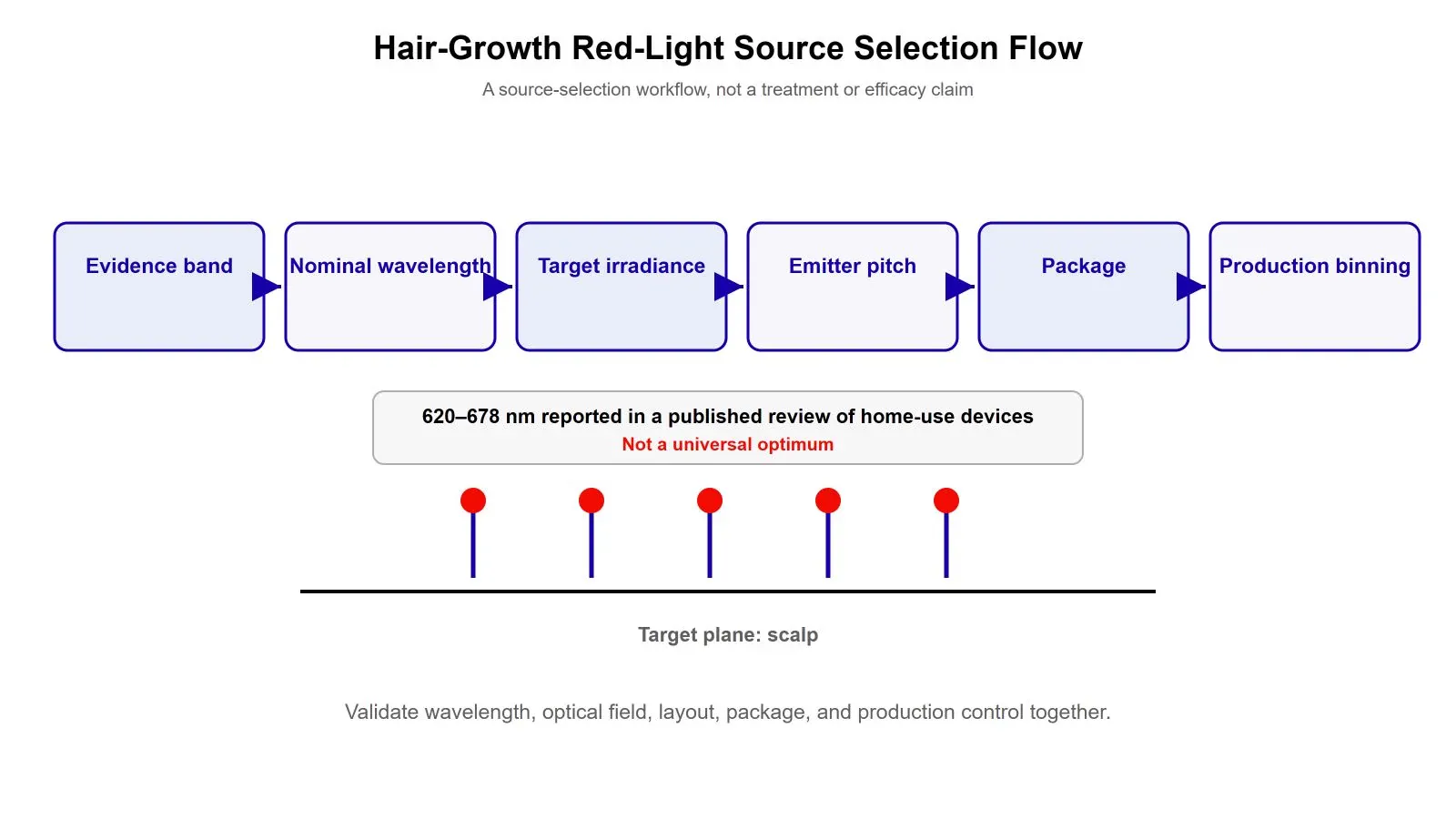
Best wavelength for red light therapy devices: matching 630–680nm red to skin and scalp targets, and knowing when near-infrared is required.

Best wavelength for red light therapy devices: matching 630–680nm red to skin and scalp targets, and knowing when near-infrared is required.

Learn how 650nm VCSEL SMDs help replace TO-5.6 lasers with lighter packages, lower current, SMT assembly, built-in Zener protection, and PCB or FPC integration.

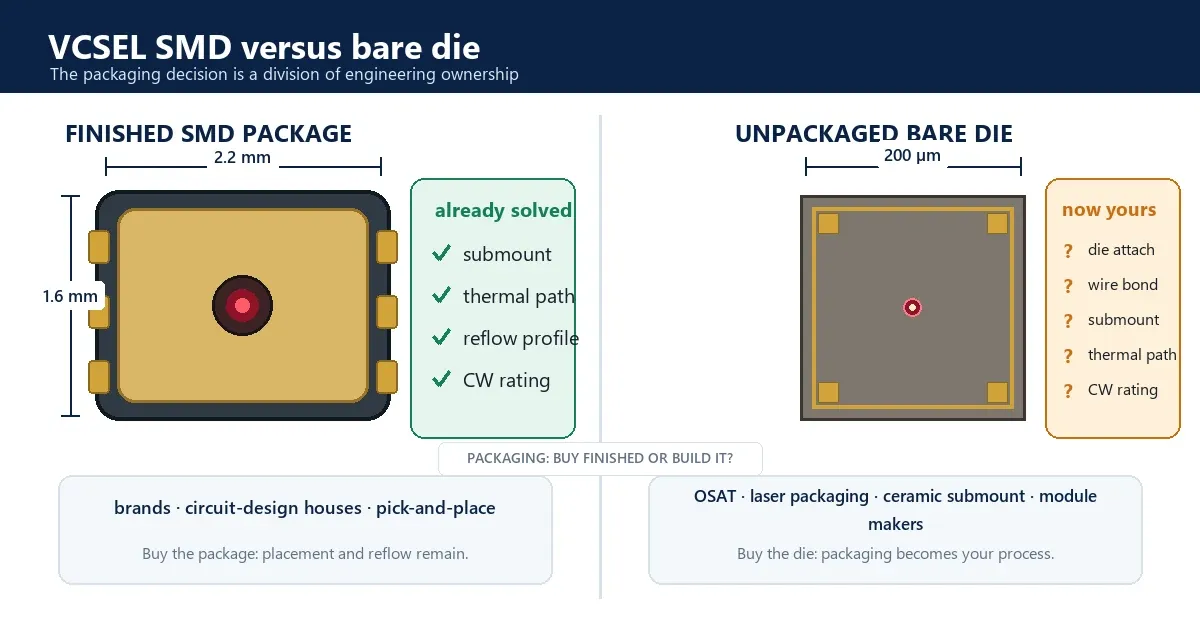
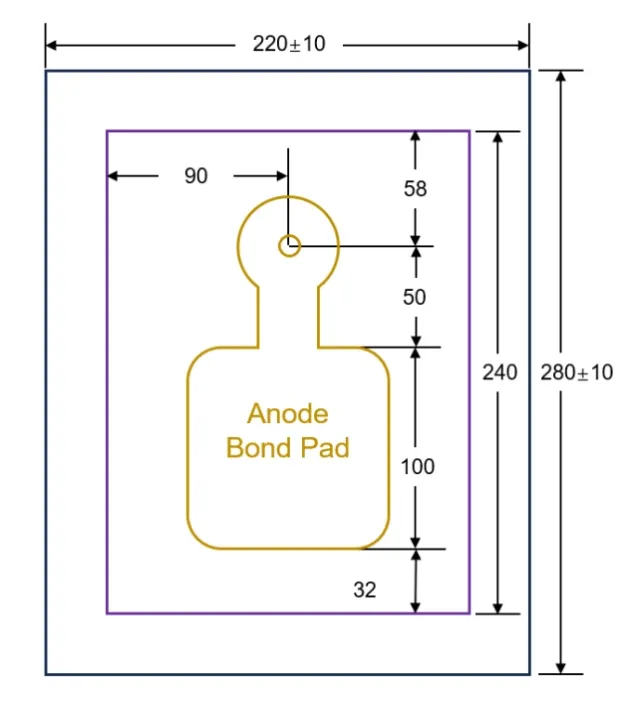
VCSEL bare die or SMD: why emitter pitch and the CW rating, not volume, decide which format a red light device OEM should be buying.

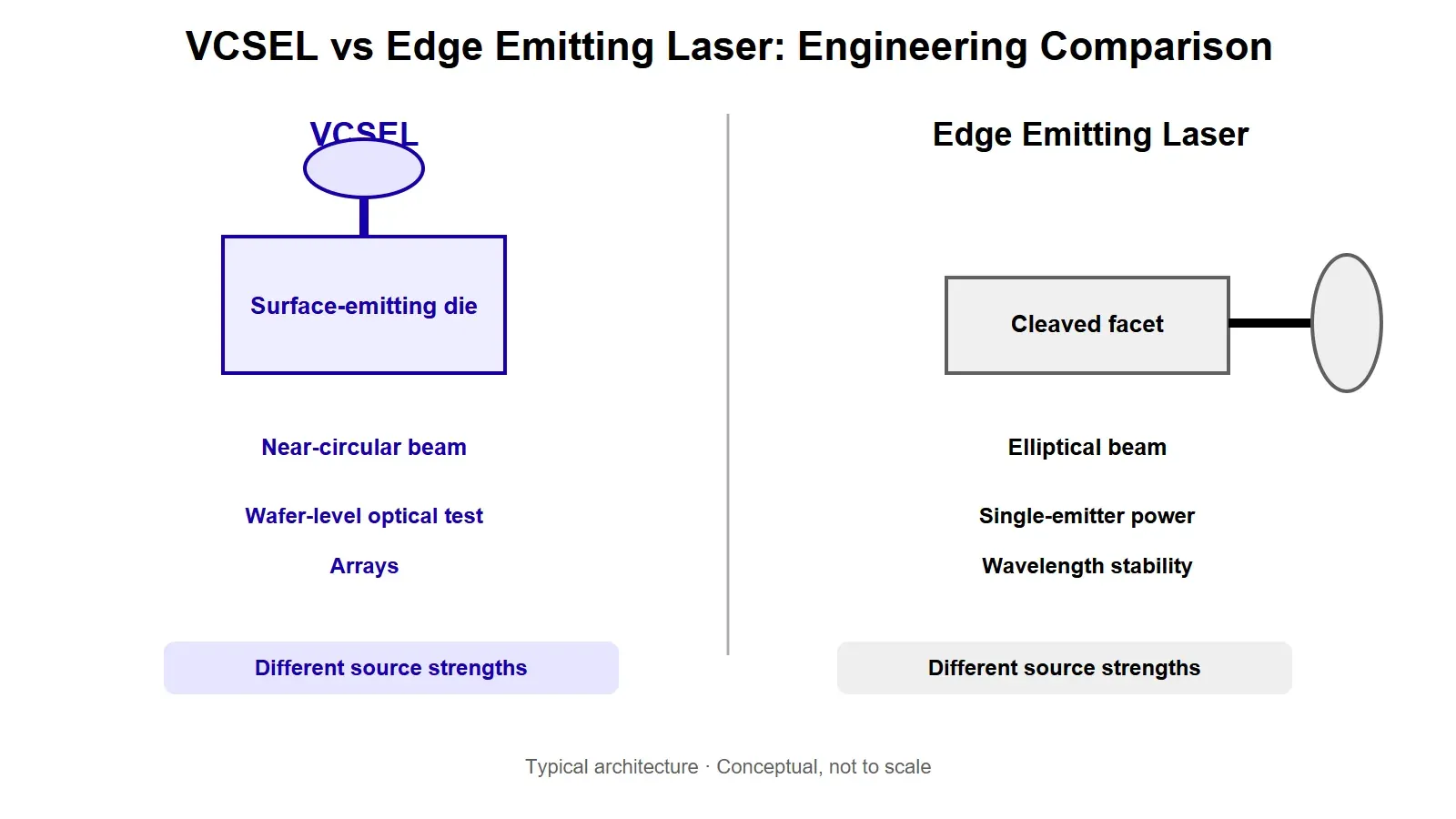
Laser vs LED red light therapy: where a VCSEL wins on irradiance, where it loses on efficiency, and how to design out the ring.

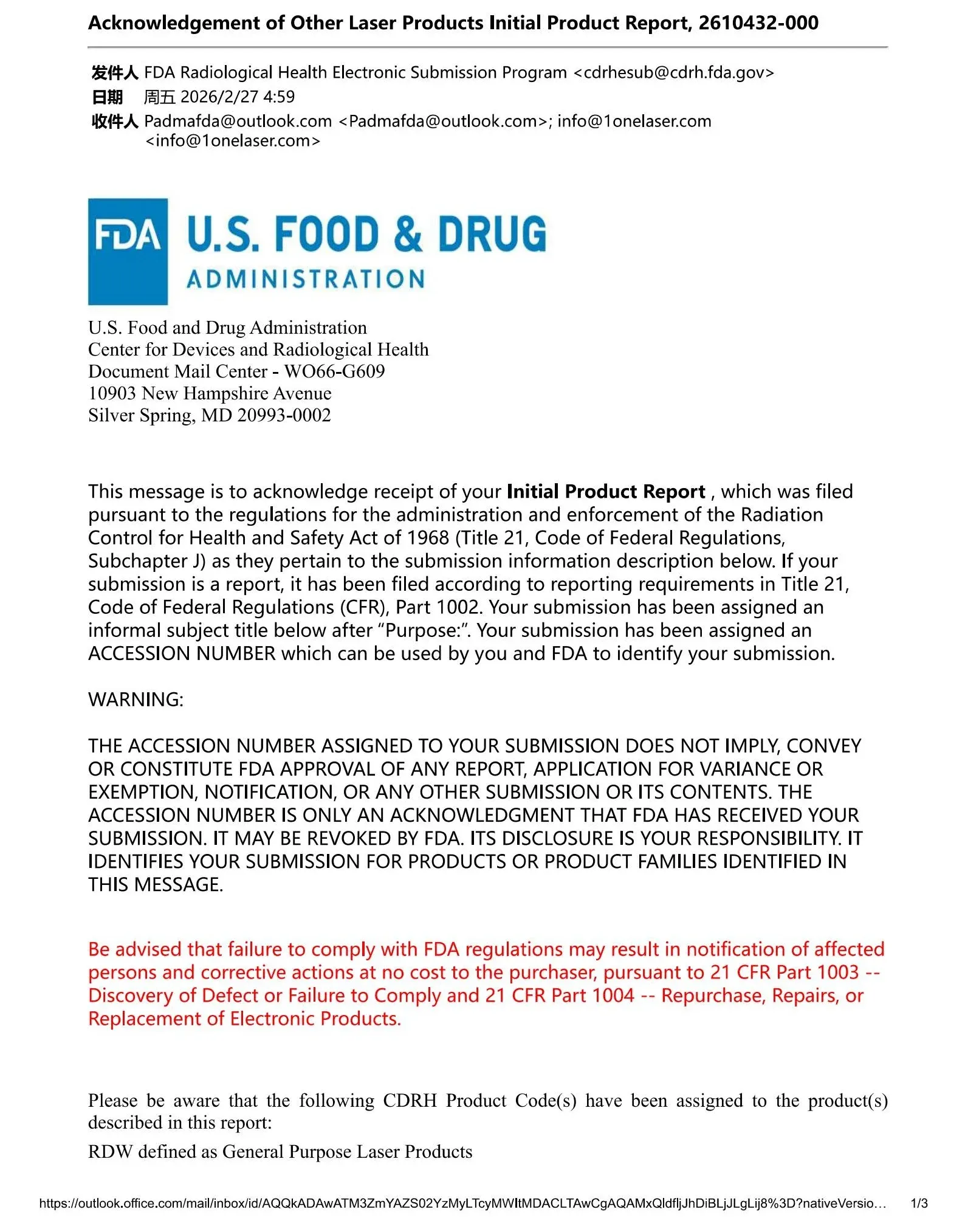
Understand FDA CDRH reporting for VCSEL components used in PBM and LLLT devices, including accession numbers, reporting exemptions, and OEM responsibilities.

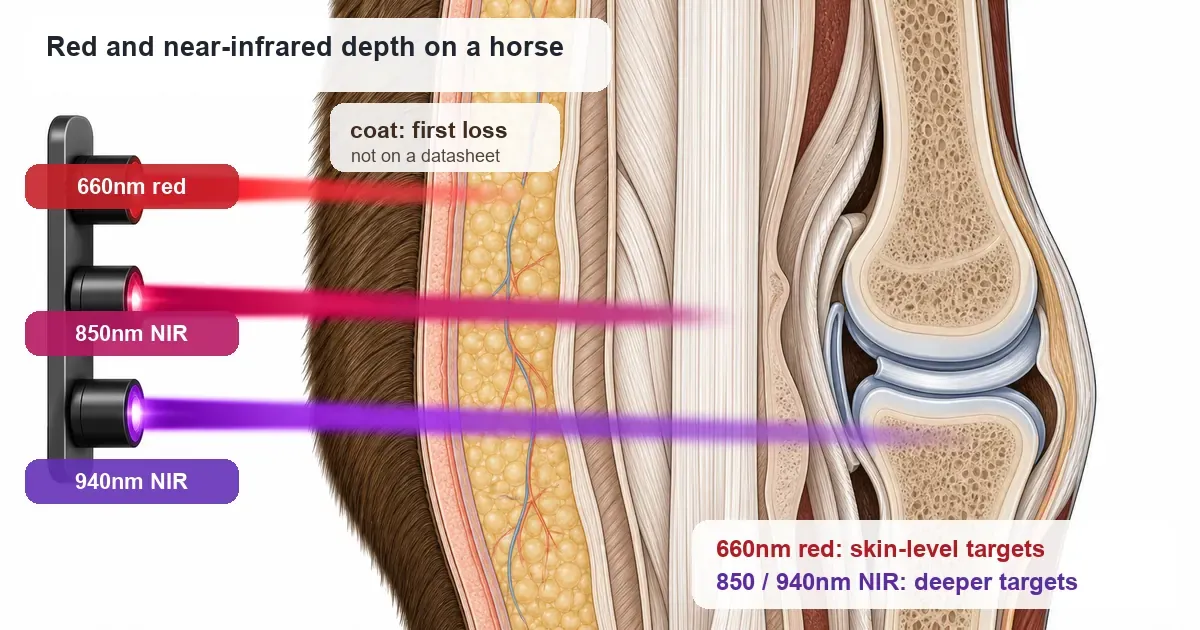
Equine red light therapy devices: why 660nm is a surface tool on a horse, how the coat eats irradiance, and when near-infrared is required.

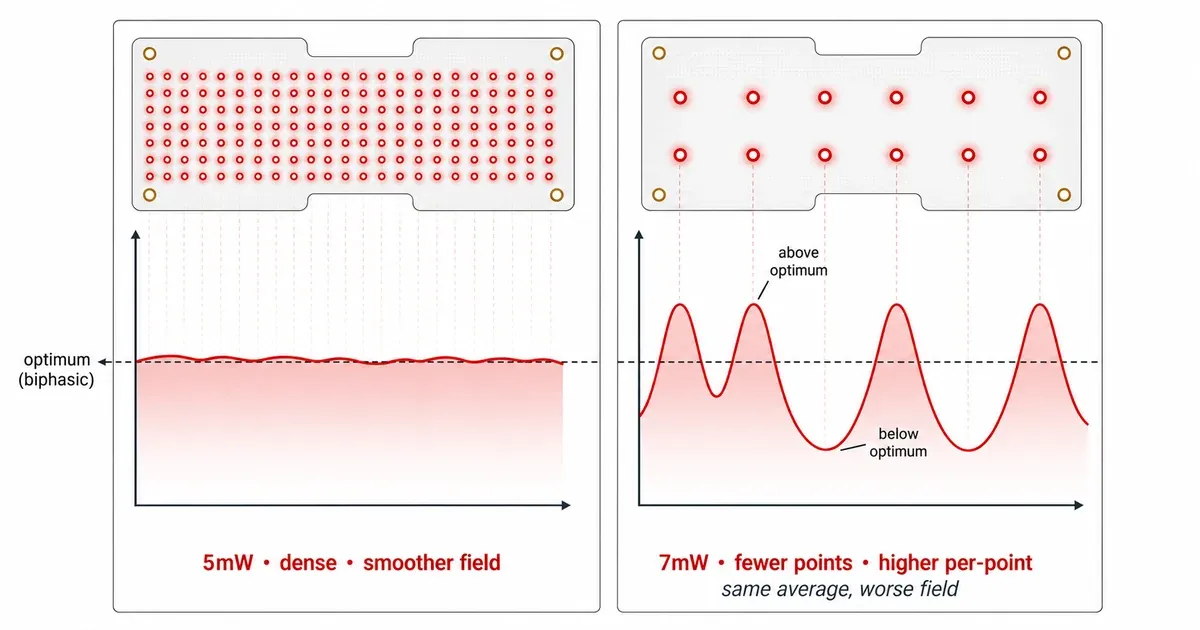
660nm red light sources for therapy and beauty devices: choosing 5mW vs 7mW, emitter pitch, irradiance and dose, and SMD packages.

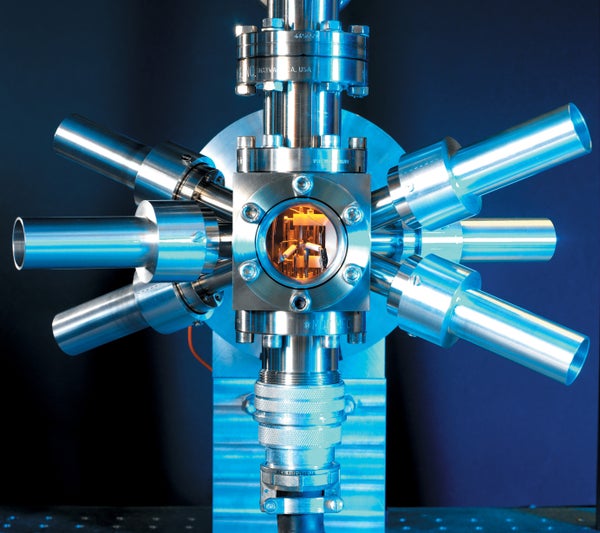
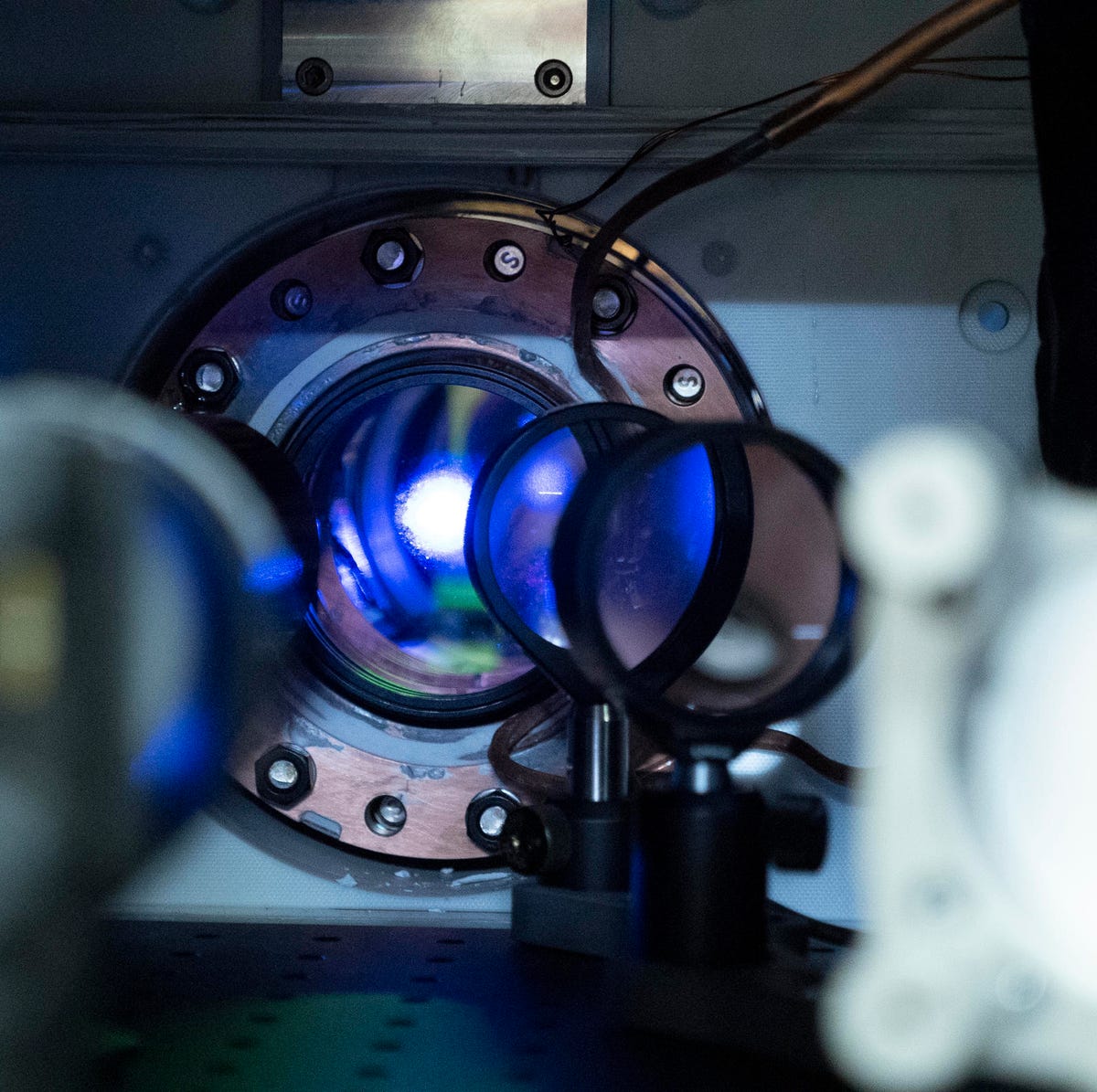
894.6nm / 895nm single-mode VCSELs can be evaluated as compact optical source candidates for cesium D1-line atomic clocks and Cs vapor-cell systems.

795nm and 894.6nm single-mode VCSEL sources for Rb and Cs OPM magnetometers, vapor-cell magnetic sensing, OSRAM / Vixar alternative review and non-magnetic package discussion.

Learn how to evaluate 5050 VCSEL packages by wavelength, drive current, optical output, beam angle, thermal path, SMT process, and use case.

795nm single-mode VCSEL bare die for rubidium D1-line atomic clock evaluation, quantum sensing, Vixar / OSRAM V00145 alternative source review, and vapor-cell modules.