
660nm
660nm 5/7mW VCSEL SMD Series
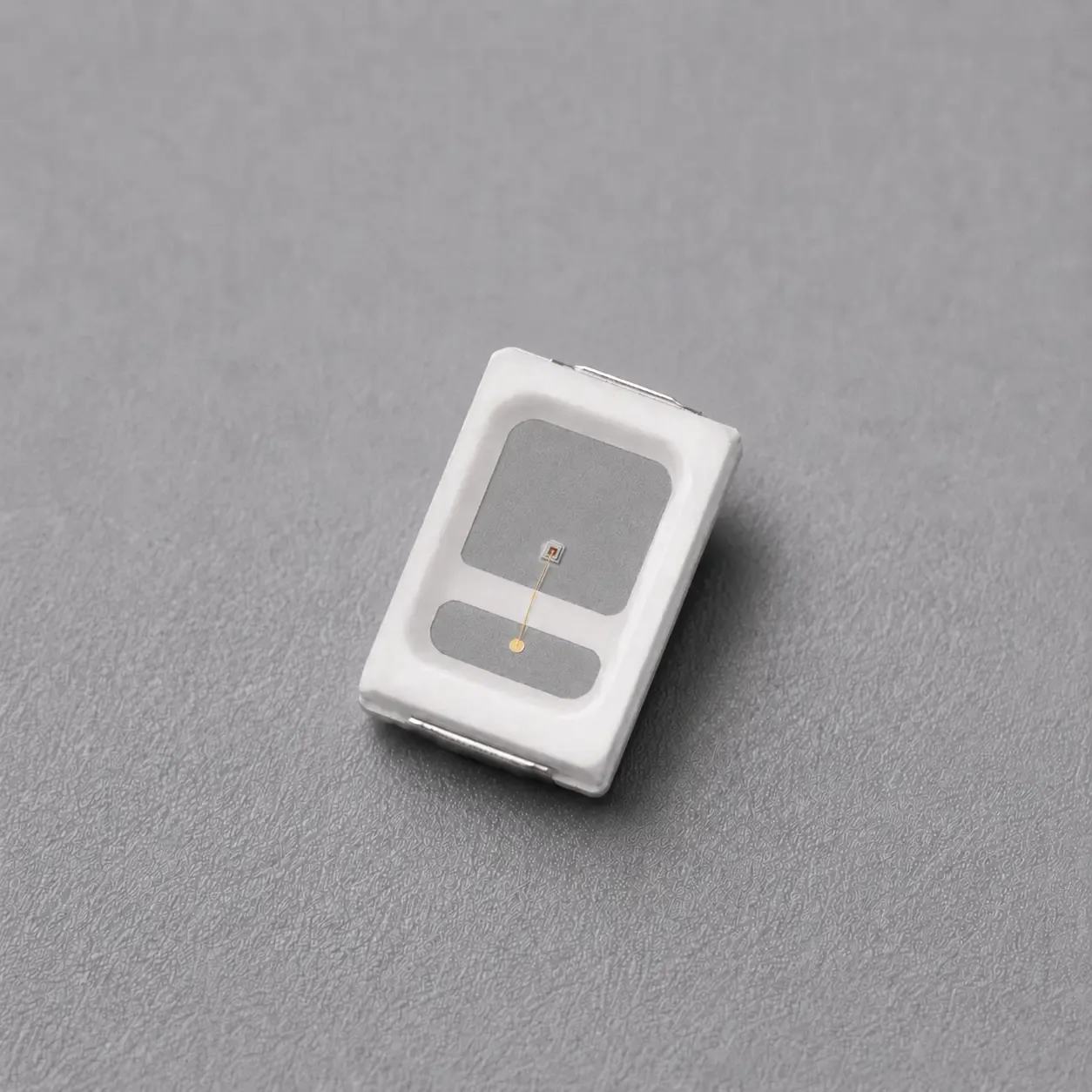
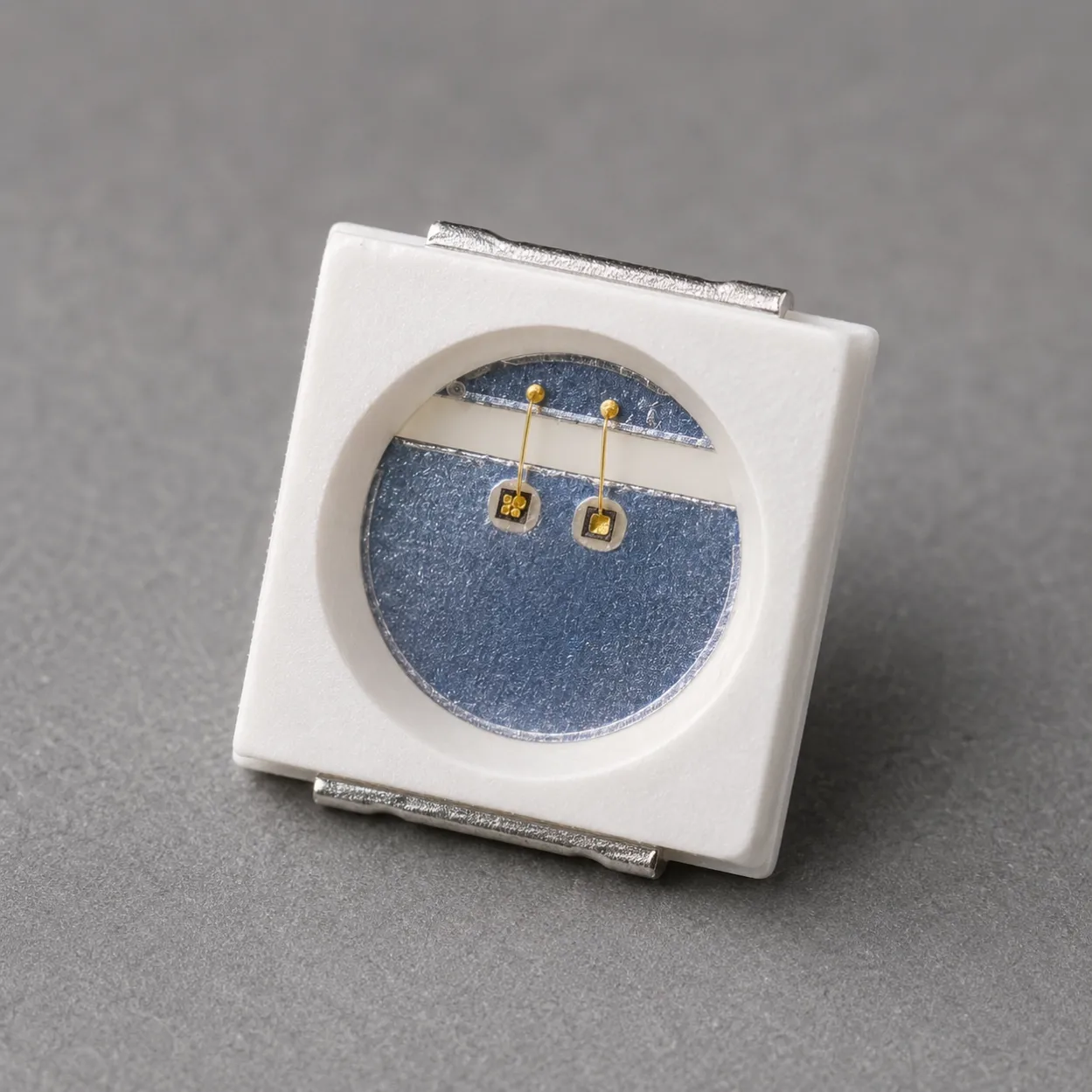
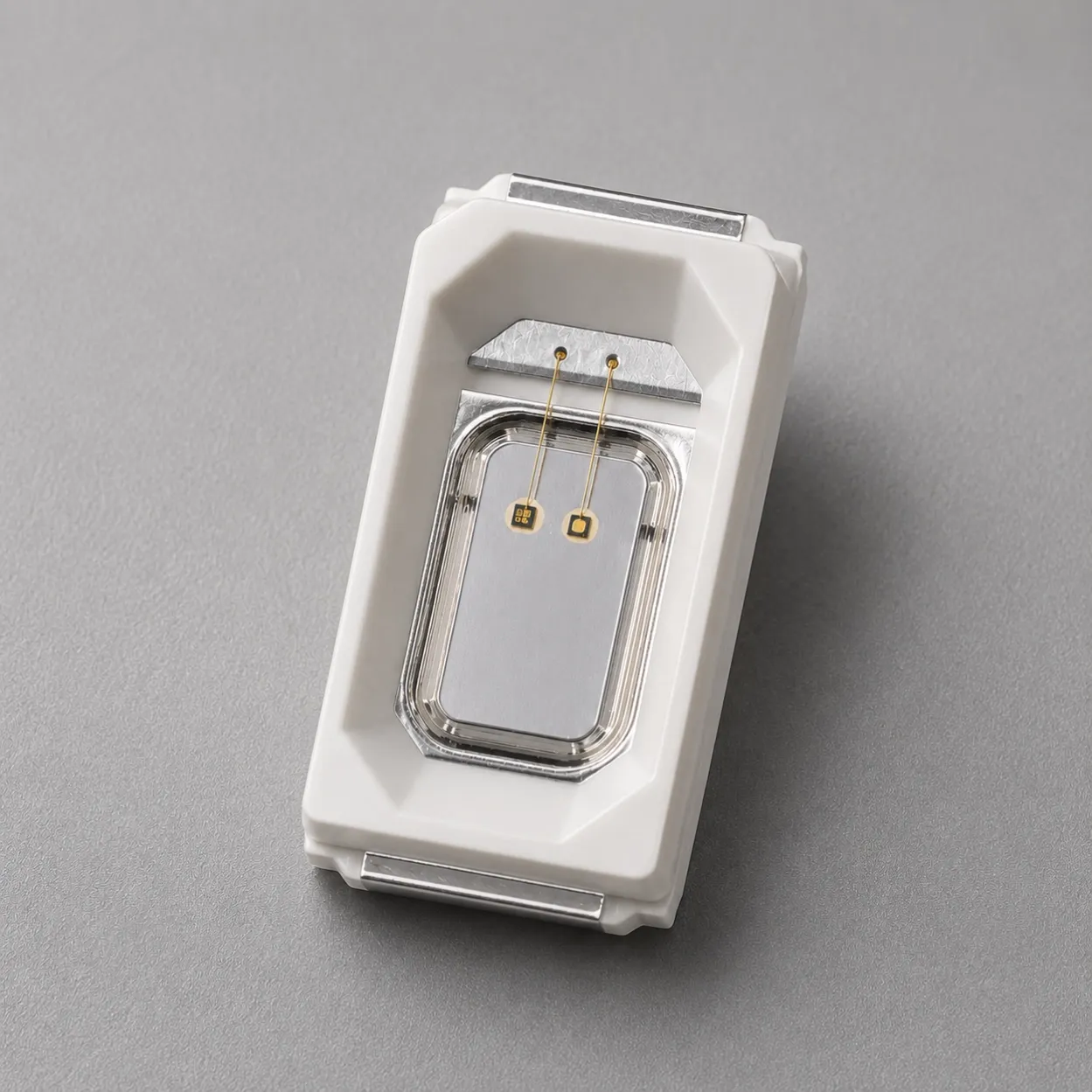
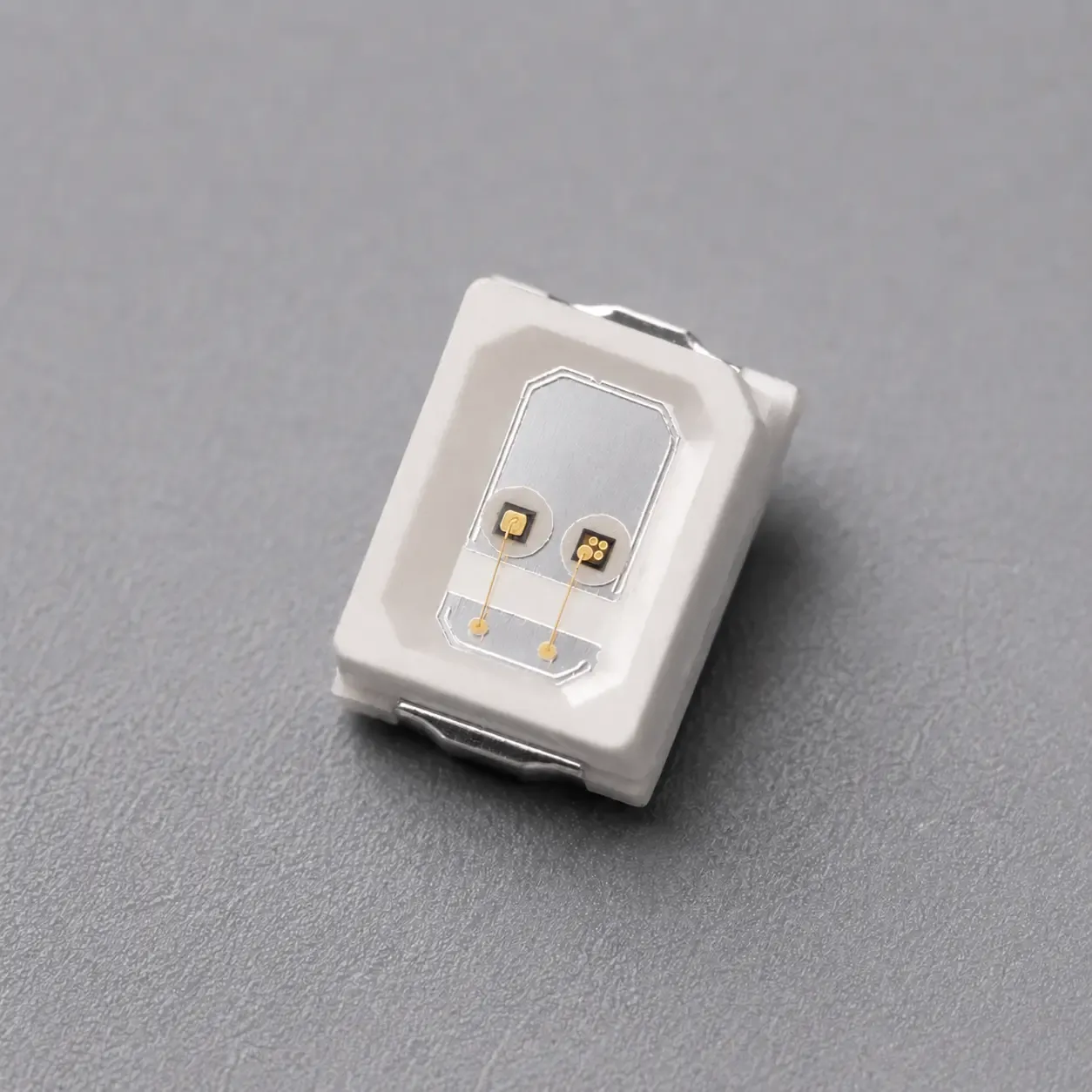
660nm 5mW and 7mW VCSEL SMD series in 2016, 2835, 3030 and 5730 packages for beauty masks, hair-growth devices, PCB integration and OEM optical design.
Specifications
- Product Type
- VCSEL SMD
- Wavelength
- 660nm typ.
- Optical Output Power
- 5mW / 7mW series
- Transverse Mode
- Multi-mode VCSEL
- Operating Mode
- CW / QCW, depending on model
- Beam Divergence
- 18°–20° typ.
- SMD Package Options
- 2016 / 2835 / 3030 / 5730
1. 660nm 5mW / 7mW VCSEL SMD Series for Beauty, Hair-Growth and PCB Integration
The 660nm VCSEL SMD Series provides seven visible-red surface-mount laser configurations for direct PCB assembly through SMT placement and reflow-soldering processes. The series combines 5mW-class and 7mW-class options in 2016, 2835, 3030 and 5730 packages.
The 5mW-class group includes 2016, 2835 and 5730 packages. The 7mW-class group includes 2016, 2835, 3030 and 5730 packages. All configurations use a multimode VCSEL structure and produce an annular beam profile.
Available operating modes depend on the selected model: the 5mW 2835 configuration is specified for QCW operation, while the other listed configurations are specified for CW operation. This product-level distinction must be retained when selecting a driver, package and PCB layout.
The series supports component-level development for beauty masks, localized red-light devices, hair-growth products, wearable photobiomodulation systems, veterinary equipment, compact multi-point red-light arrays and other OEM optical platforms.
2. Optical Characteristics and SMD Package Options
All seven configurations have a typical center wavelength of 660nm, but their wavelength ranges, output values, operating modes and angle definitions vary by model. The output values below are specified at 10mA.
Power Class | Package | Output at 10mA (Min. / Typ. / Max.) | Operating Mode | Specified Angle |
|---|---|---|---|---|
5mW-class | 2016 | 5.0 / 5.5 / 7.2mW | CW | 18° typ. beam divergence |
5mW-class | 2835 | 4.0 / 5.0 / 6.0mW | QCW | 20° typ. |
5mW-class | 5730 | 4.5 / 5.0 / 5.5mW | CW | 19° typ. / 23° max. beam divergence |
7mW-class | 2016 | 6.0 / 7.0 / 8.0mW | CW | 18° typ. beam divergence |
7mW-class | 2835 | 6.0 / 7.0 / 8.0mW | CW | 18° typ. beam divergence |
7mW-class | 3030 | 6.0 / 7.0 / 8.0mW | CW | 18° typ. beam divergence |
7mW-class | 5730 | 6.0 / 7.0 / 8.0mW | CW | 18° typ. beam divergence |
The 5mW 2016 and all four 7mW configurations have a specified wavelength range of 650nm – 670nm. The 5mW 2835 and 5730 configurations have a specified wavelength range of 655nm – 665nm.
The 2016 package supports compact and high-density PCB layouts. The 2835 package is suitable for standard SMT production and general PCB integration. The 3030 package is available in the 7mW class for projects requiring that footprint. The 5730 package provides a larger assembly platform and pad area.
Electrode configuration, dimensional tolerances, reflow conditions and ESD handling requirements vary by model and must be verified in the corresponding datasheet. Zener protection is included as the default configuration across the listed SMD packages.
Bare Die Options for Custom Packaging
Customers requiring chip-level integration instead of a completed SMD package can review the 660nm VCSEL Bare Die Series for die attach, gold-wire bonding, ceramic-submount assembly and custom VCSEL packaging.
3. SMD Package and SMT Integration
The 660nm VCSEL SMD Series serves as a surface-mount alternative to selected conventional 660nm TO-can through-hole laser-diode designs.
The SMD format supports automated pick-and-place processing and batch reflow soldering while reducing manual lead insertion, lead forming, trimming and hand-soldering steps. It also supports lower-profile optical assemblies and dense multi-emitter PCB layouts.
The source datasheets specify tape-and-reel packaging at 4,000 pieces per reel for each listed configuration. Final procurement quantities, packing requirements and production conditions should be confirmed for the selected model.
Key integration directions include:
- Automated SMT placement and volume PCB assembly
- Lower-profile beauty masks, wearables and compact optical products
- Dense multi-point red-light arrays
- Reduced manual through-hole assembly steps
- Package selection according to PCB area and emitter spacing
- Model-specific CW or QCW driver design
- Electrical protection, polarity and thermal-path evaluation
The device is not a drop-in replacement for every 660nm TO-can laser diode. Replacement projects must verify operating current, forward voltage, electrical polarity, wavelength range, optical output, annular beam profile, specified angle, package dimensions, PCB pads, reflow compatibility and thermal conditions.
Lead Time: In-stock products are dispatched within 3 business days; custom-packaged products have a lead time of 15–20 days.
MOQ: The minimum order quantity is 1 reel; selected special models support small-batch orders.
4. Application Development
The 660nm VCSEL SMD Series supports component-level evaluation for red-light optical products. Application descriptions on this page represent development possibilities and do not establish medical efficacy, clinical performance or regulatory approval of a finished device.
Beauty Masks and Localized Red-Light Devices
The 2016, 2835, 3030 and 5730 package options support beauty masks, beauty pens, handheld red-light devices, wearable red-light systems and compact multi-point arrays. Model selection should account for emitter spacing, working distance, beam overlap, optical power density, duty cycle and PCB temperature rise.
Hair-Growth and Scalp-Care Devices
The series supports hair-growth caps, helmets, combs, bands and other scalp-light optical systems. A 5mW-class device suits densely distributed arrays, while a 7mW-class device is the appropriate option when each position requires higher output. The complete optical and thermal design must be validated at the intended working distance.
Veterinary and Photobiomodulation Research
The series also supports component-level development for veterinary red-light equipment, photobiomodulation research platforms and multiwavelength prototype systems. For deeper-tissue or joint-related directions, red and near-infrared wavelengths require joint evaluation according to the system target.
The VCSEL is a component-level light source. Medical, beauty, veterinary or therapeutic use of the final equipment must be validated by the device manufacturer according to complete system performance, eye safety, thermal behavior and applicable market regulations.
Related Articles
5. Evaluation Kit and Documentation Support
The 660nm VCSEL SMD Evaluation Kit supports 10 pcs / KIT for early-stage comparison of power class, package footprint, PCB layout and driver conditions.
Samples & Pilot Production: Evaluation kits, low-volume pilot production, and pre-production validation are supported.
- Selection of a 5mW-class or 7mW-class configuration
- Selection of the corresponding 2016, 2835, 3030 or 5730 package
- Corresponding product datasheets and package drawings
- International shipping quoted according to destination
- Support for PCB assembly, driving and optical evaluation
- We offer project-specific configuration of center wavelength, wavelength tolerance, optical output power, power bin and package requirements.
For component-level project evaluation, an Initial Product Report covering the Laser Diode Series and VCSEL Laser Diode Chip Series has been filed with the U.S. FDA CDRH. This filing supports technical documentation and product evaluation.
For applicable products, CE, EMC, EN 60825, LVD, RoHS, REACH and halogen-free certification and compliance documents are available. Documentation depends on the corresponding product model and does not represent certification of the customer's finished device.
6. Frequently Asked Questions
FAQ 1. How should I choose between the 5mW-class and 7mW-class 660nm VCSEL SMD options?
Selection should begin with the required output from each emitter position, PCB density, working distance and thermal capacity. The 5mW-class group provides 2016, 2835 and 5730 packages; the 7mW-class group provides 2016, 2835, 3030 and 5730 packages.
The 5mW 2835 configuration is specified for QCW operation, while the other listed configurations are specified for CW operation. A higher output class is not automatically the better choice. Final selection should consider emitter count, optical power density, beam overlap, duty cycle, drive current, package footprint and temperature rise in the complete assembly.
FAQ 2. Can a 660nm VCSEL SMD directly replace a conventional 660nm TO-can laser diode?
A 660nm VCSEL SMD serves as an alternative for selected TO-can projects, but it is not a universal drop-in replacement.
The evaluation must compare operating current, forward voltage, polarity, wavelength range, output power, annular beam profile, specified angle, PCB pad design, package dimensions, reflow process and thermal path. Evaluation Kit testing is recommended before production validation.
FAQ 3. How should a 660nm VCSEL SMD be evaluated for beauty masks, hair-growth and PBM devices?
Evaluation should begin with complete system requirements rather than wavelength or single-component power alone. Beauty masks, hair-growth products and localized red-light devices require calculation of optical power density, emitter spacing, beam overlap, array uniformity, temperature rise, operating time and working distance.
For veterinary, research or multiwavelength PBM projects, the complete optical system may require additional wavelengths and application-specific testing. The VCSEL component itself does not establish a medical effect, treatment conclusion or finished-device regulatory status.