VCSEL vs Edge Emitting Laser Which Should You Use
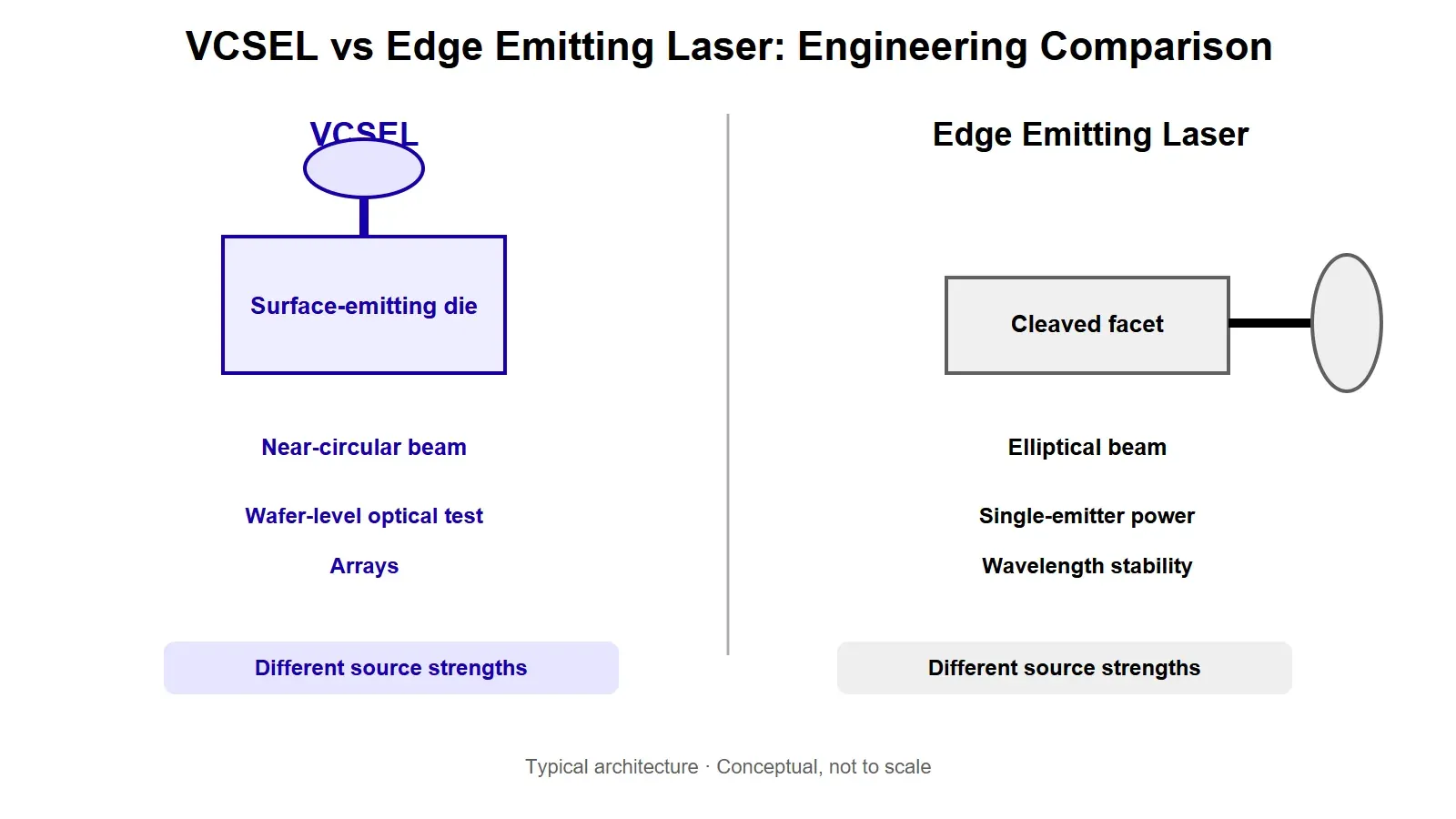
Choose between a VCSEL and an edge emitting laser by matching beam geometry, wavelength behavior, single-emitter power, array needs, manufacturability, and system cost to the real application.
Choose between a VCSEL and an edge emitting laser by matching beam geometry, wavelength behavior, single-emitter power, array needs, manufacturability, and system cost to the real application.
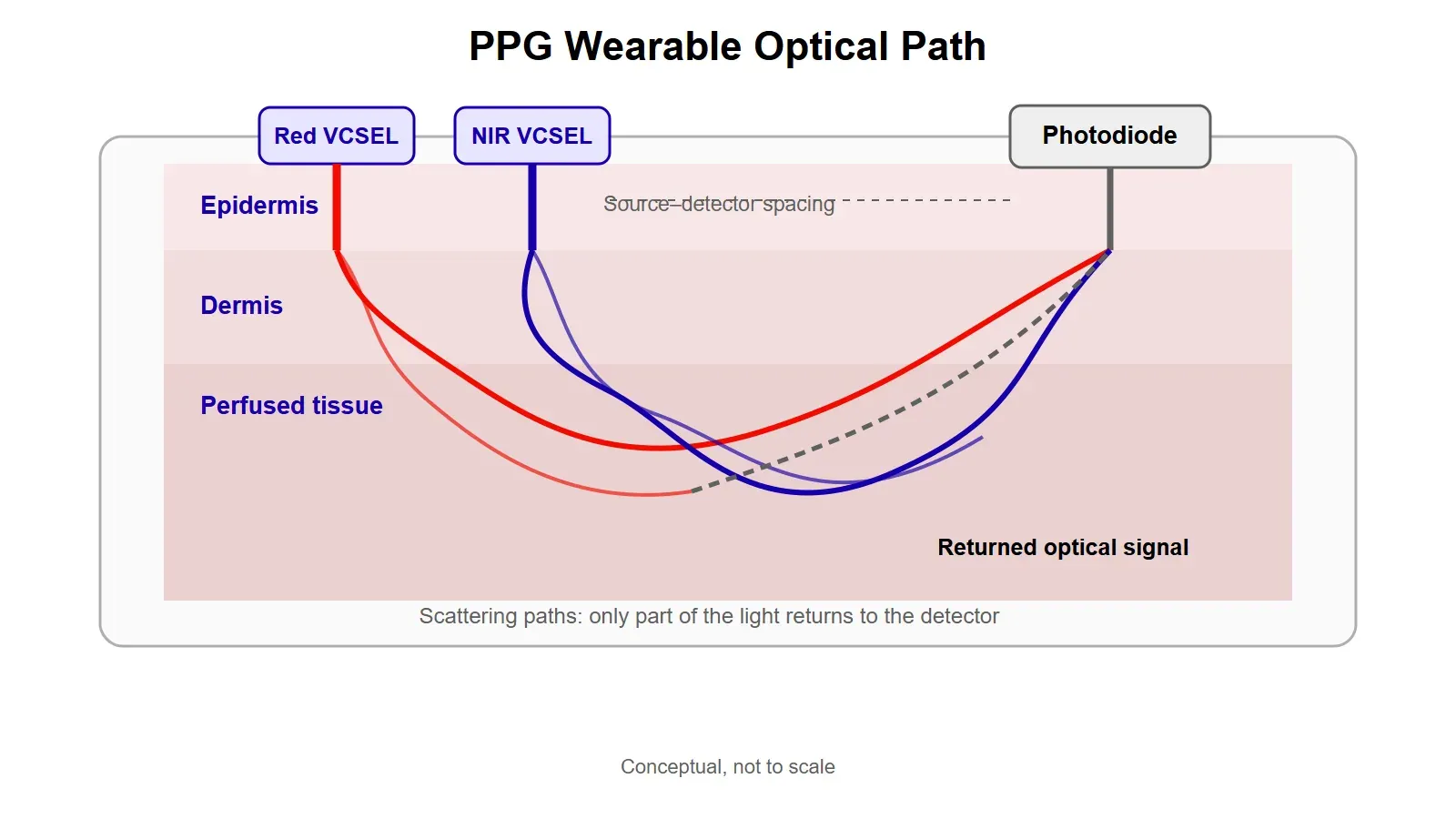
VCSELs can give PPG wearable developers tighter optical geometry, controlled wavelength behavior, and compact near infrared packaging, but the benefit still has to be proven at the photodetector.

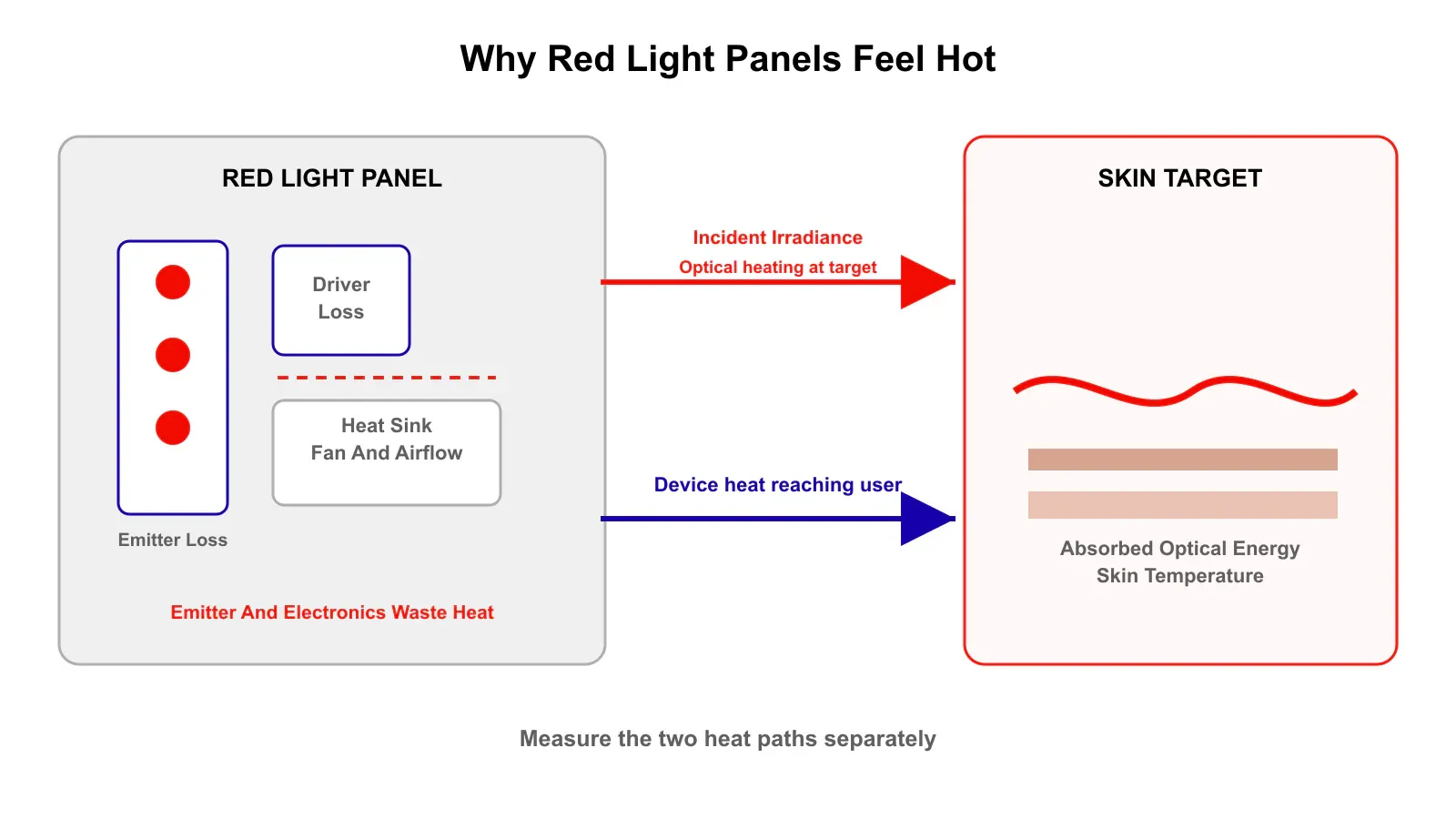
Why does a red light panel feel hot? An OEM guide to irradiance, distance, drive conditions, source losses, airflow, and thermal troubleshooting.

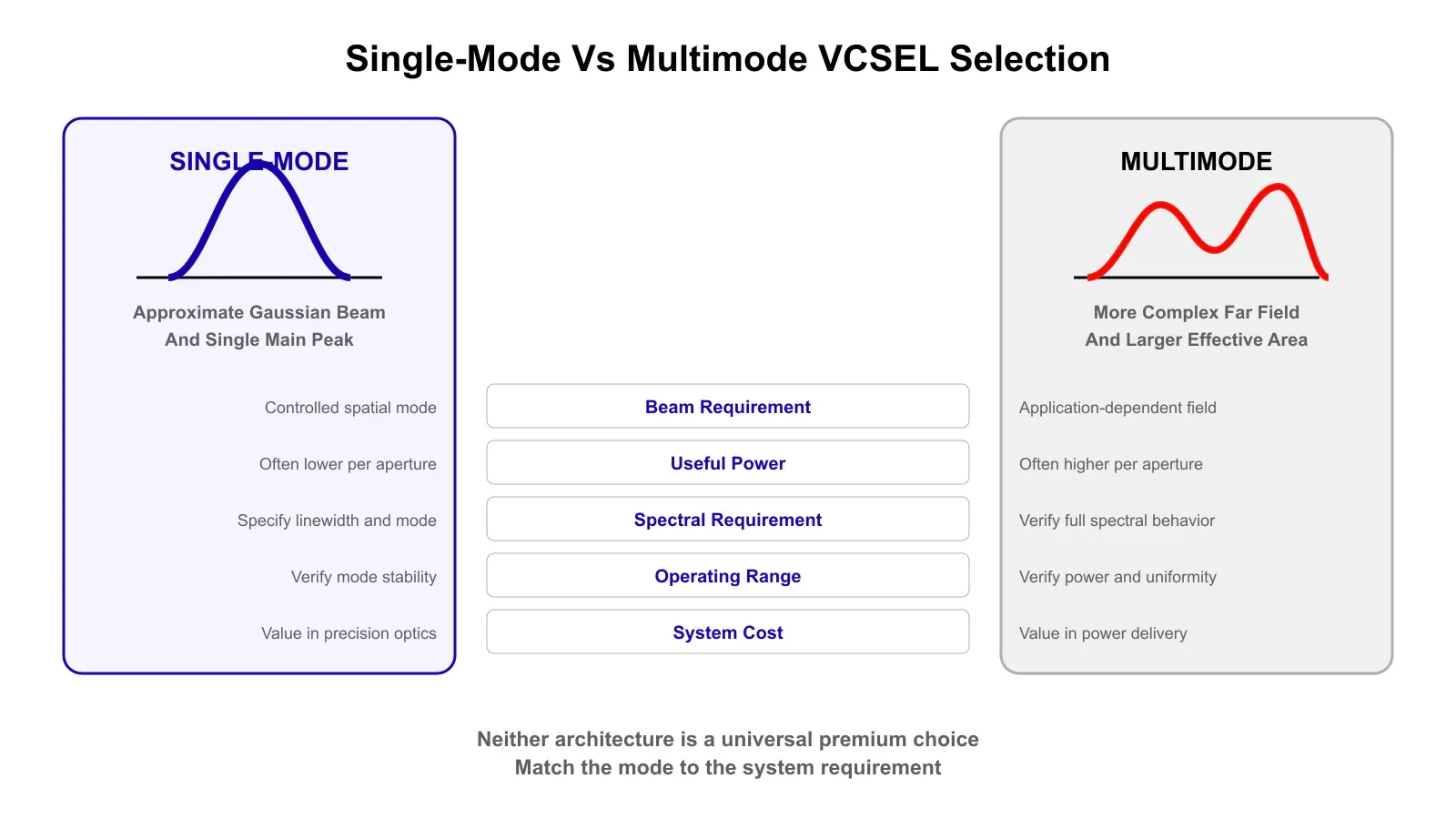
Single-mode vs multimode VCSEL comparison for OEMs. See how beam quality, power, spectrum, polarization, and application needs affect selection.

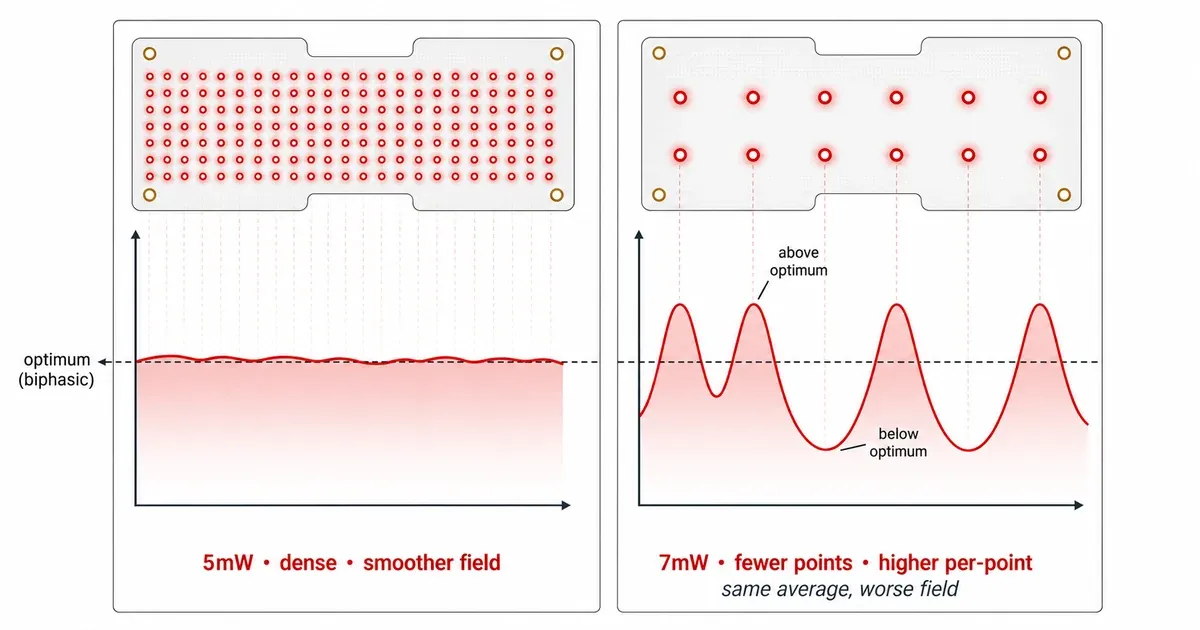
660nm red light sources for therapy and beauty devices: choosing 5mW vs 7mW, emitter pitch, irradiance and dose, and SMD packages.

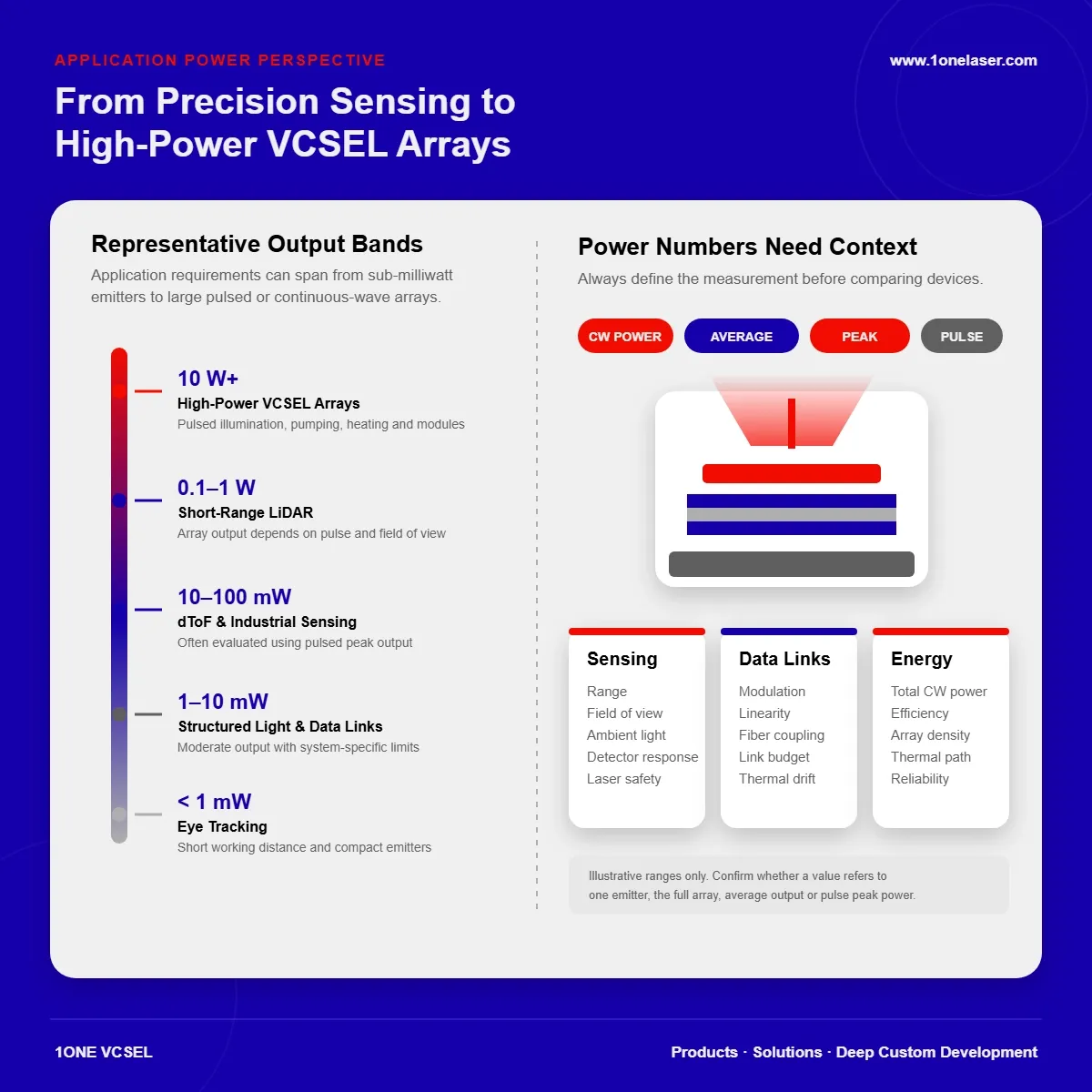
Learn how VCSEL power requirements change with distance, pulse mode, array size, optics, thermal limits, and laser safety.

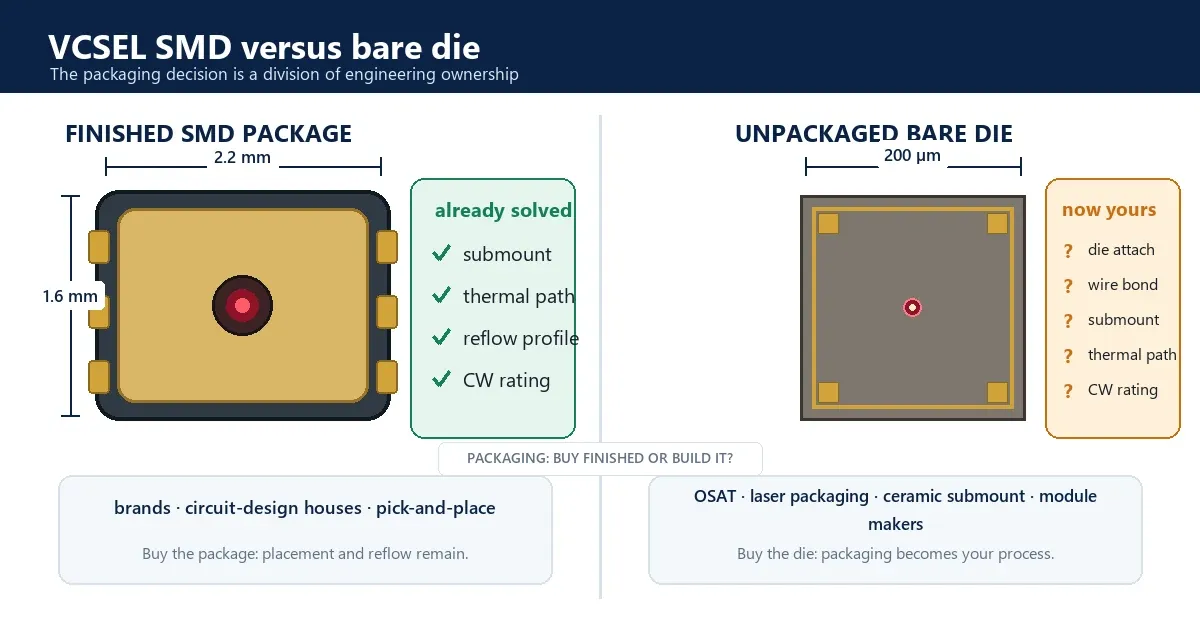
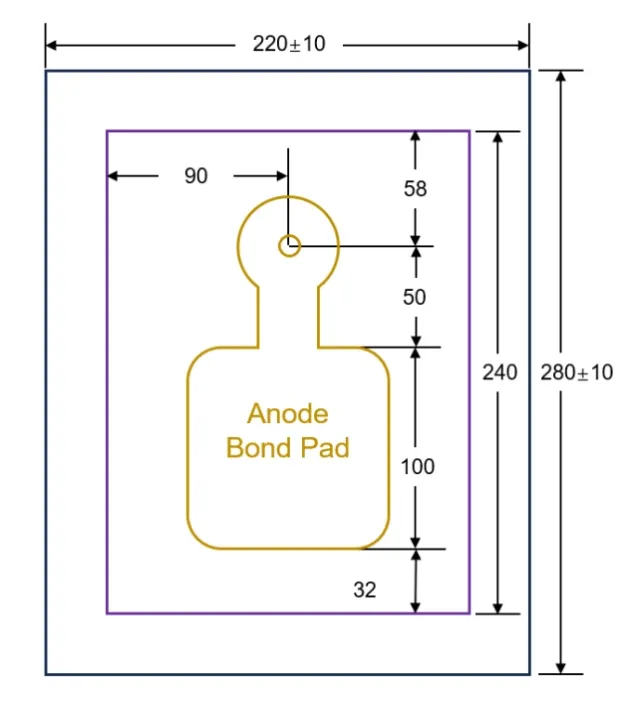
VCSEL bare die or SMD: why emitter pitch and the CW rating, not volume, decide which format a red light device OEM should be buying.

VCSEL sources, multi-wavelength design, and regulatory documentation for OEM hair-growth devices, facial masks, and therapy systems.

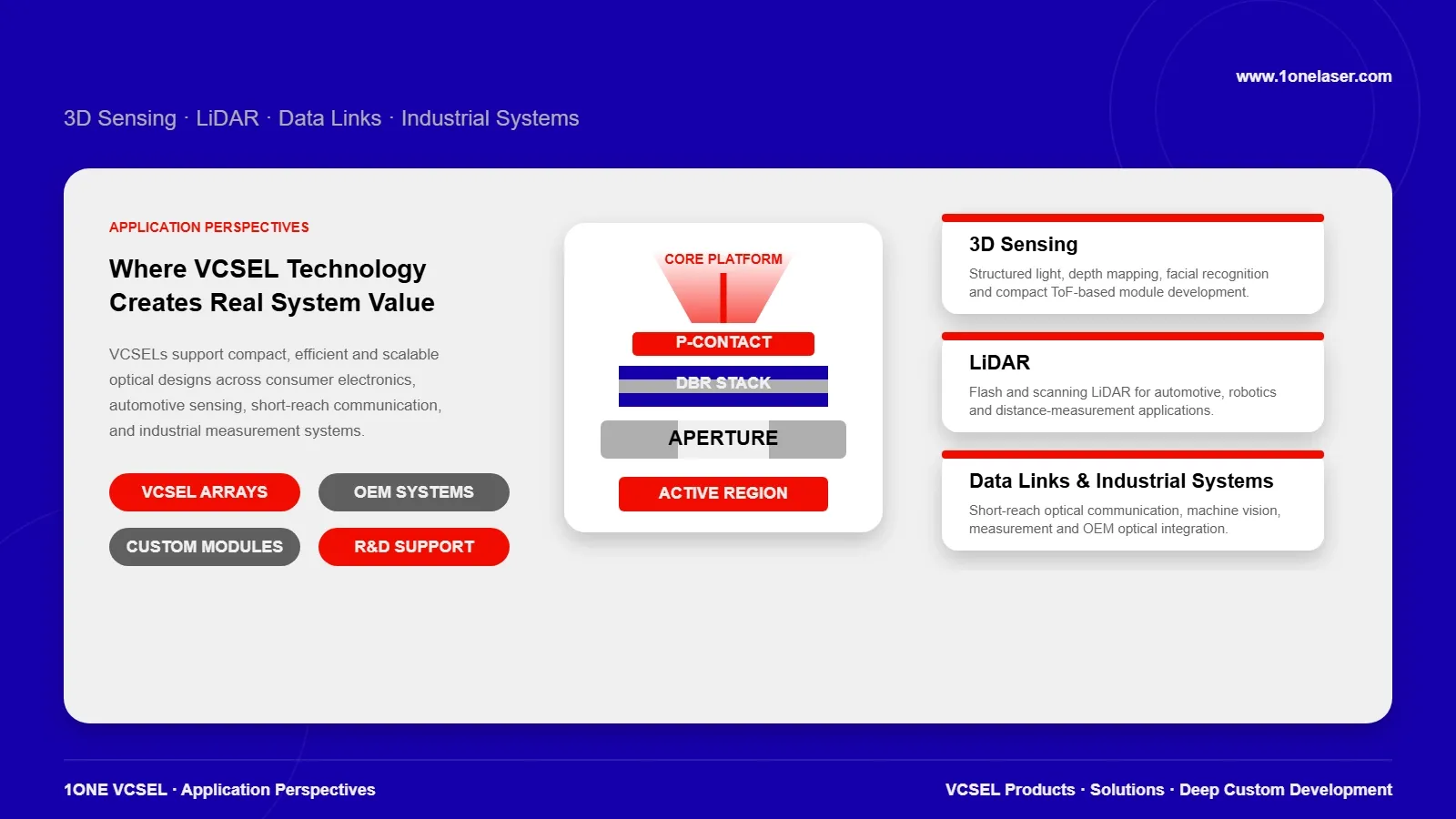
Explore how VCSEL technology supports sensing, data communication, industrial measurement, optical-module design, and custom OEM system development.

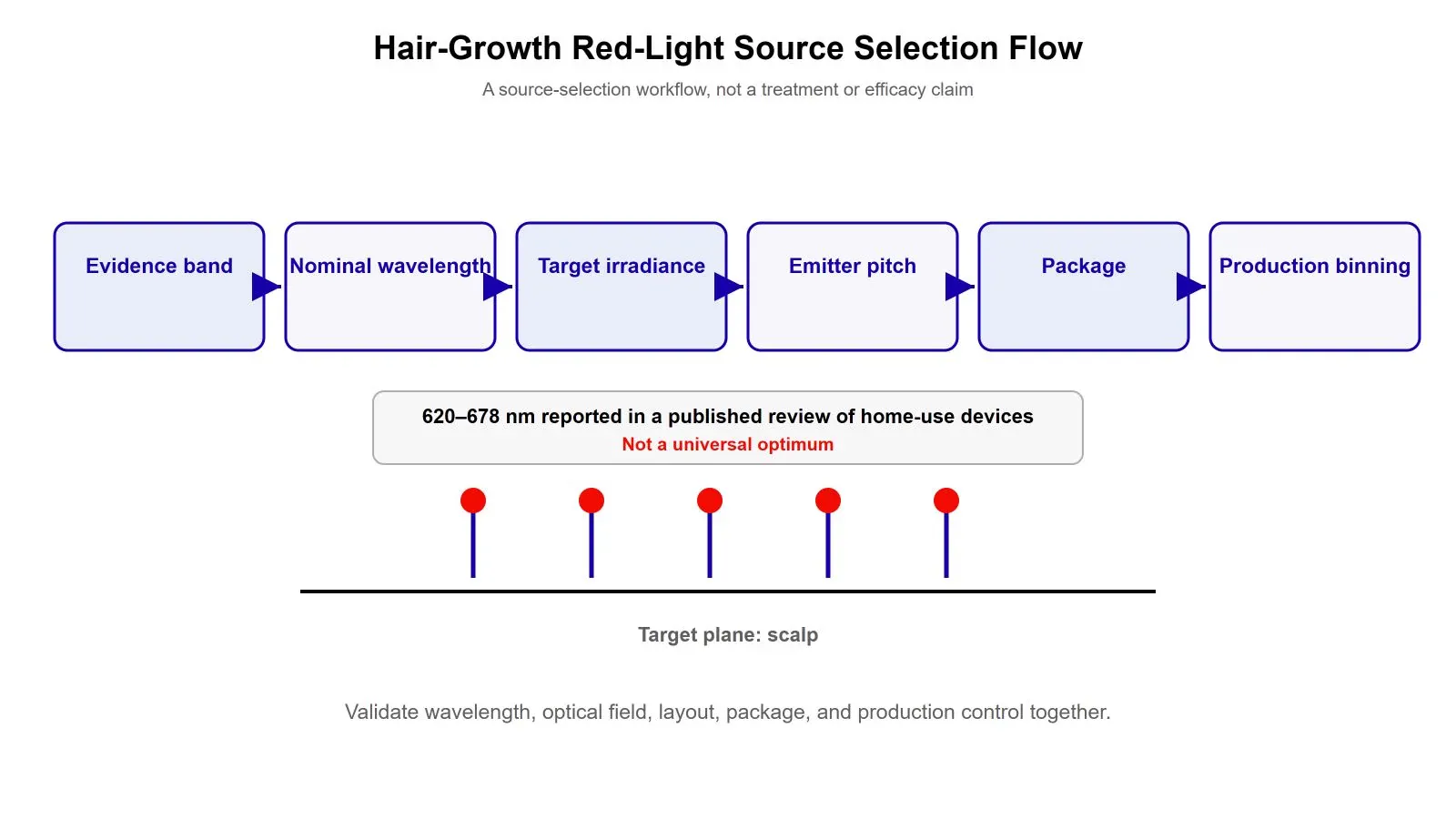
Select a red light source for a hair-growth device by matching evidence, wavelength, delivered irradiance, emitter layout, packaging, and production consistency.

795nm and 894.6nm single-mode VCSEL sources for Rb/Cs OPM magnetometers, vapor cells, and alternative-source evaluation.

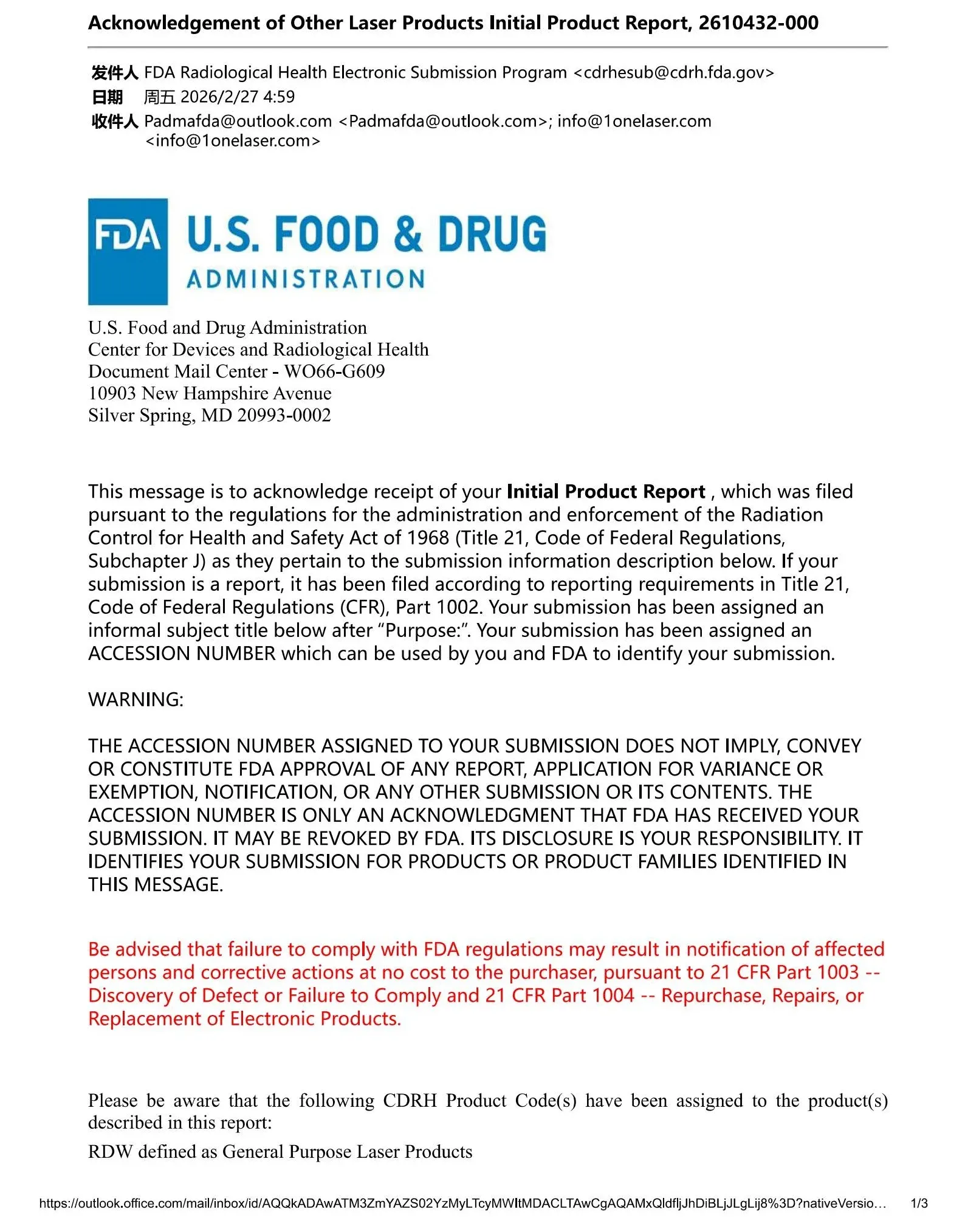
FDA CDRH reporting for VCSEL components in PBM and LLLT devices: accession numbers, exemptions, OEM responsibilities, and filing boundaries.