
Aug 29, 2026Technical Insights
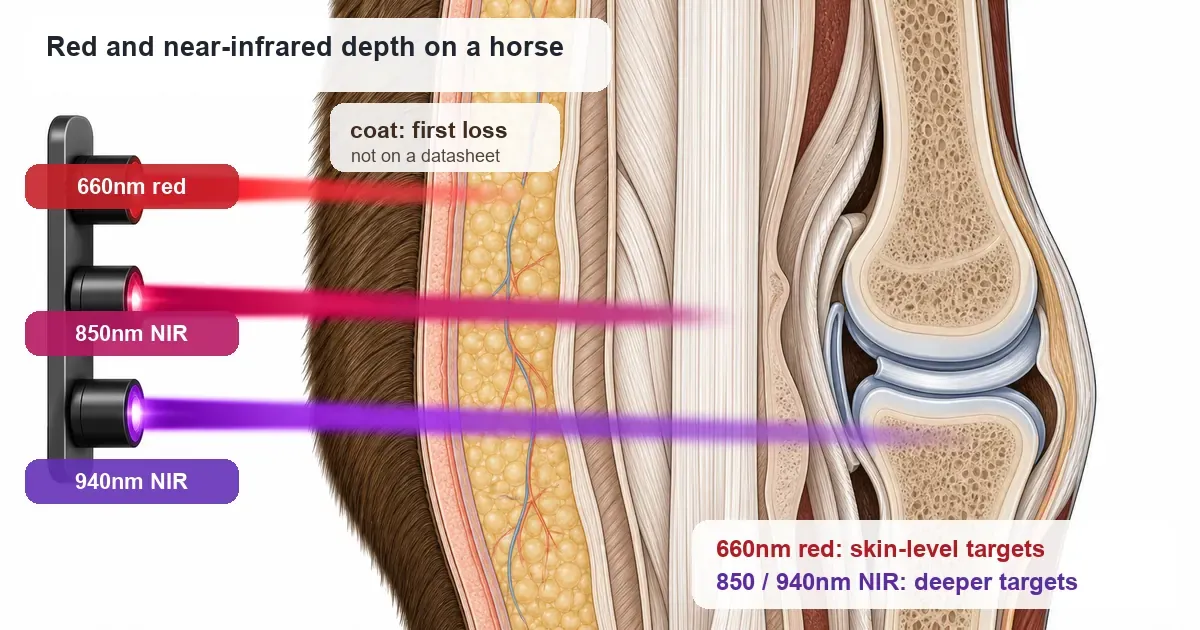
Which Light Source Does an Equine Red Light Therapy Device Need?
Equine red light therapy devices: why 660nm is a surface tool on a horse, how the coat eats irradiance, and when near-infrared is required.
Equine red light therapy devices: why 660nm is a surface tool on a horse, how the coat eats irradiance, and when near-infrared is required.
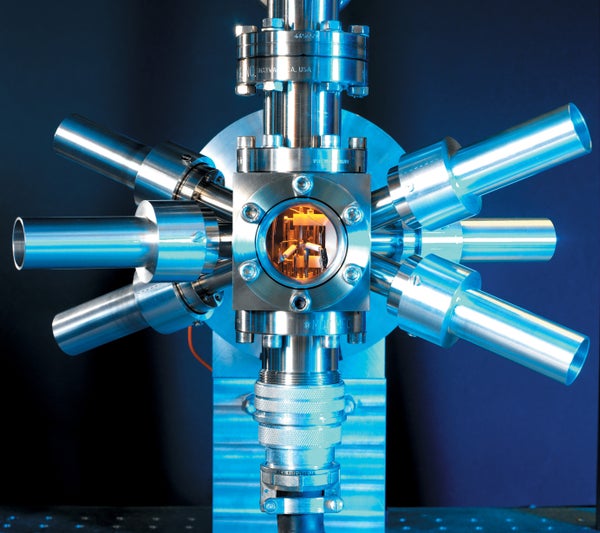
795nm single-mode VCSEL bare die for Rb D1-line atomic-clock and quantum-sensing evaluation, vapor-cell modules, and source comparison.
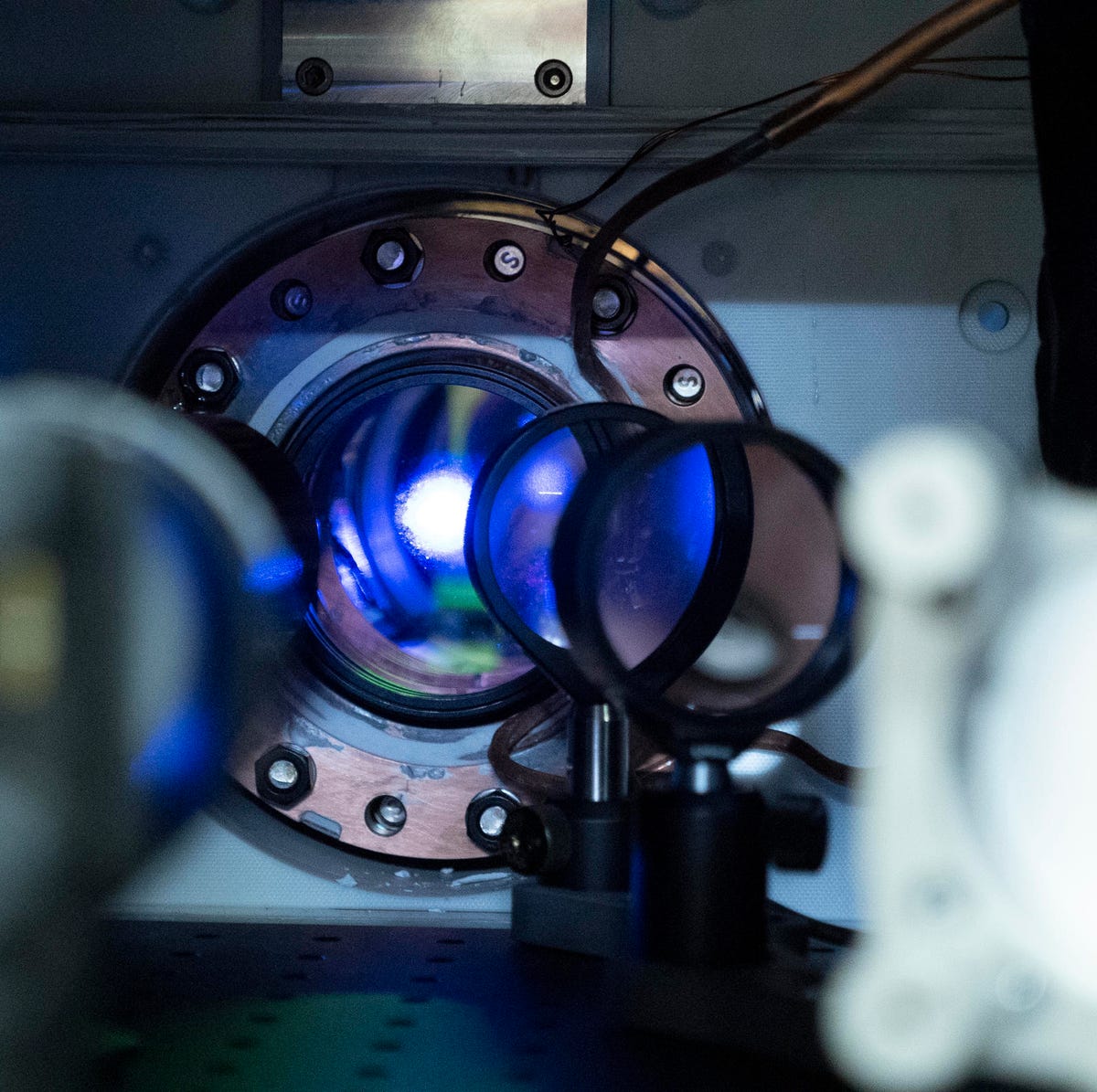
894.6nm / 895nm single-mode VCSELs provide compact component-level optical sources for cesium D1-line atomic-clock and Cs vapor-cell development.
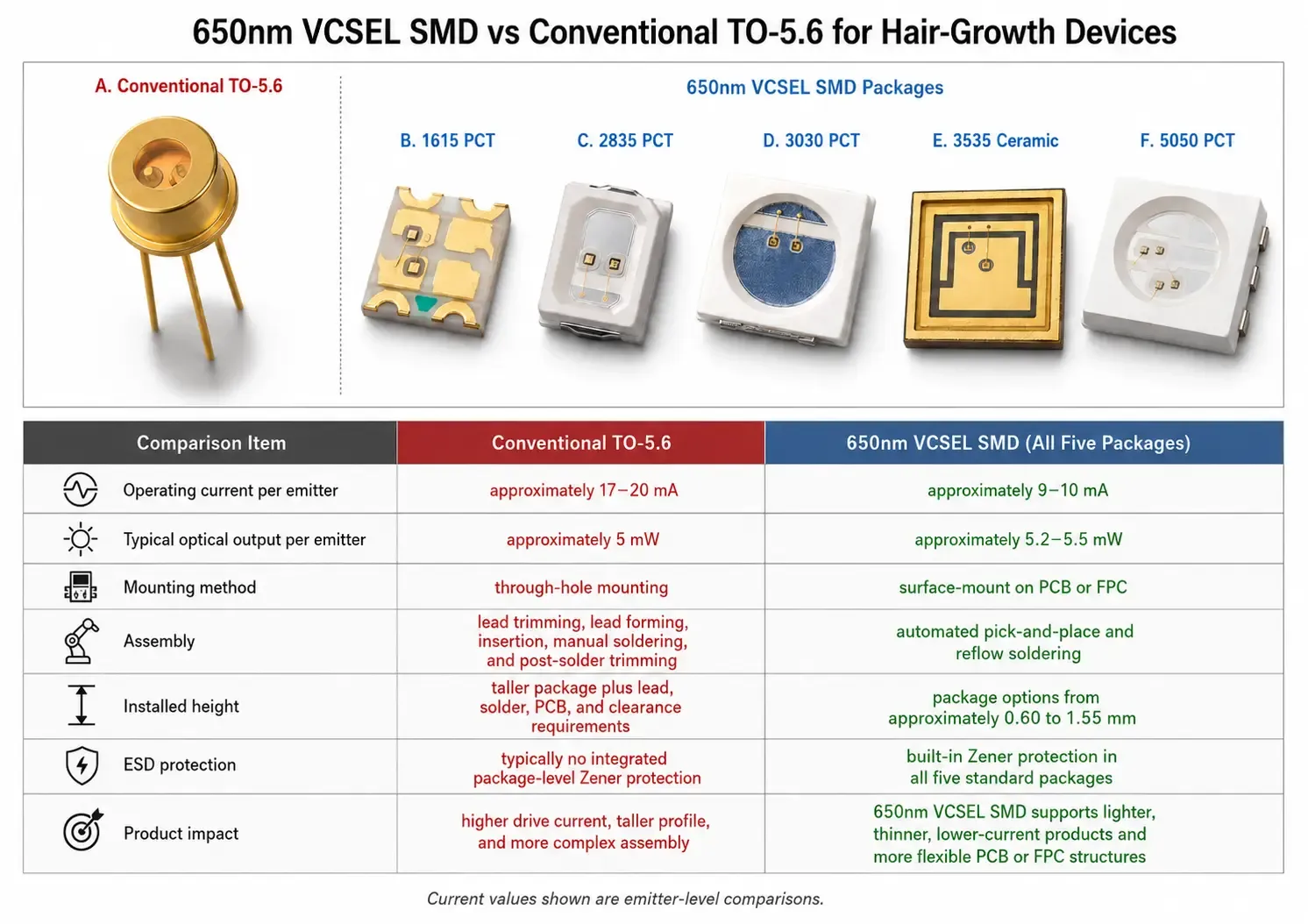
650nm VCSEL SMDs replace TO-5.6 lasers with lower-current SMT packages, Zener protection, and PCB or FPC integration for hair-growth devices.
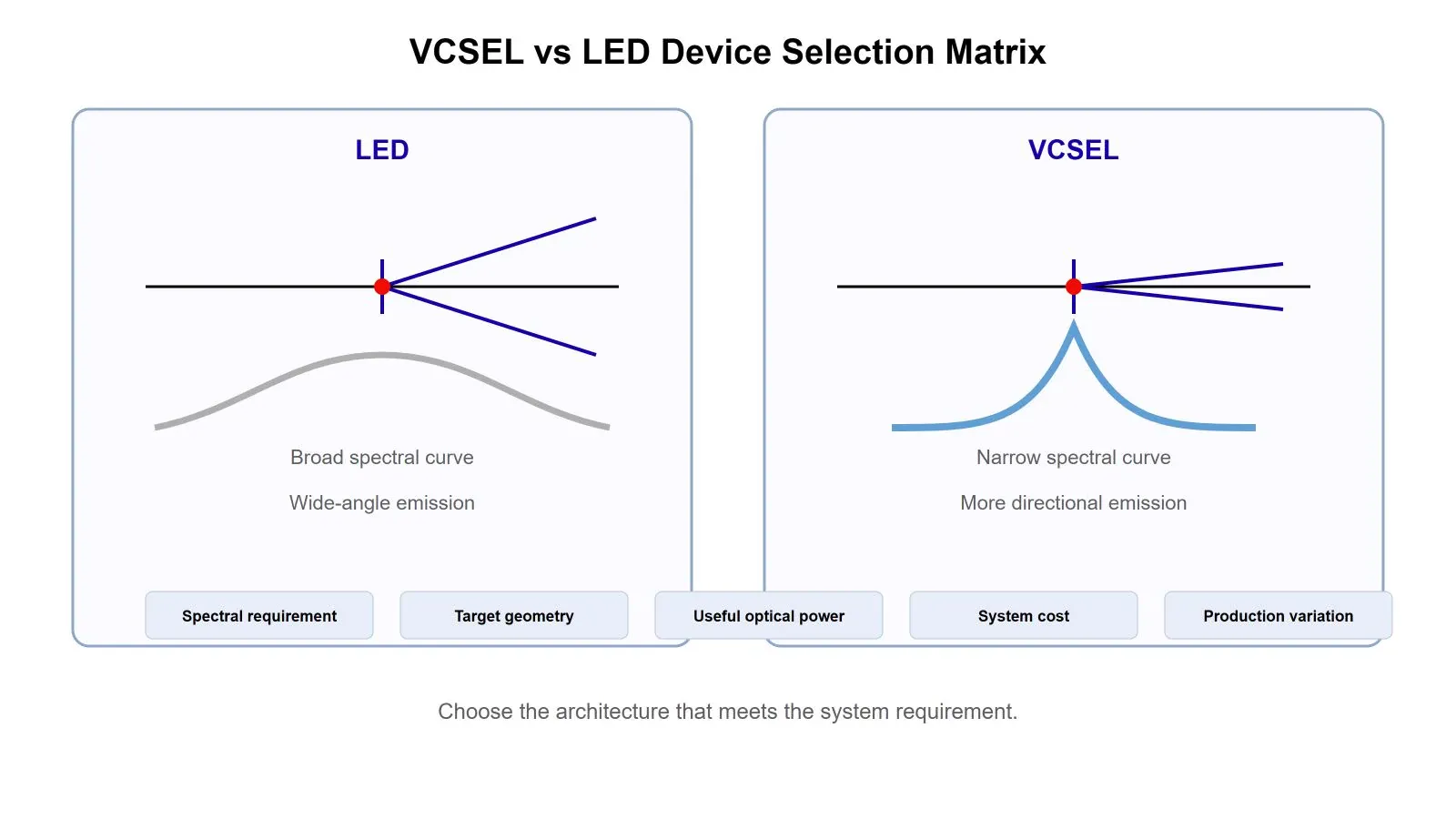
VCSEL or LED? Compare wavelength, beam direction, system efficiency, cost, and validation steps to choose the right source for an OEM device.
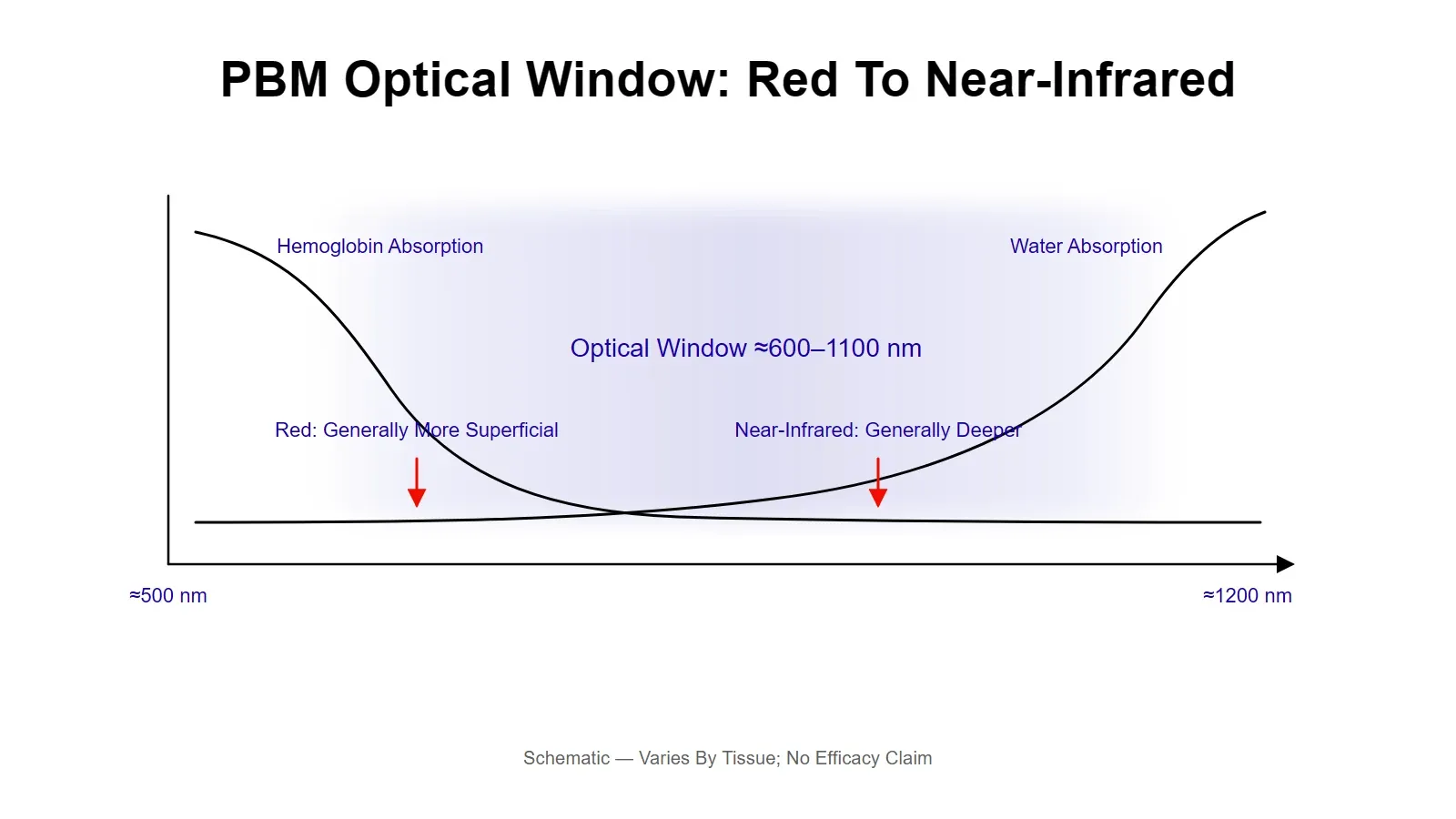
When does an LLLT or PBM device need a VCSEL? Compare wavelength precision, beam control, array uniformity, and when an LED is enough.
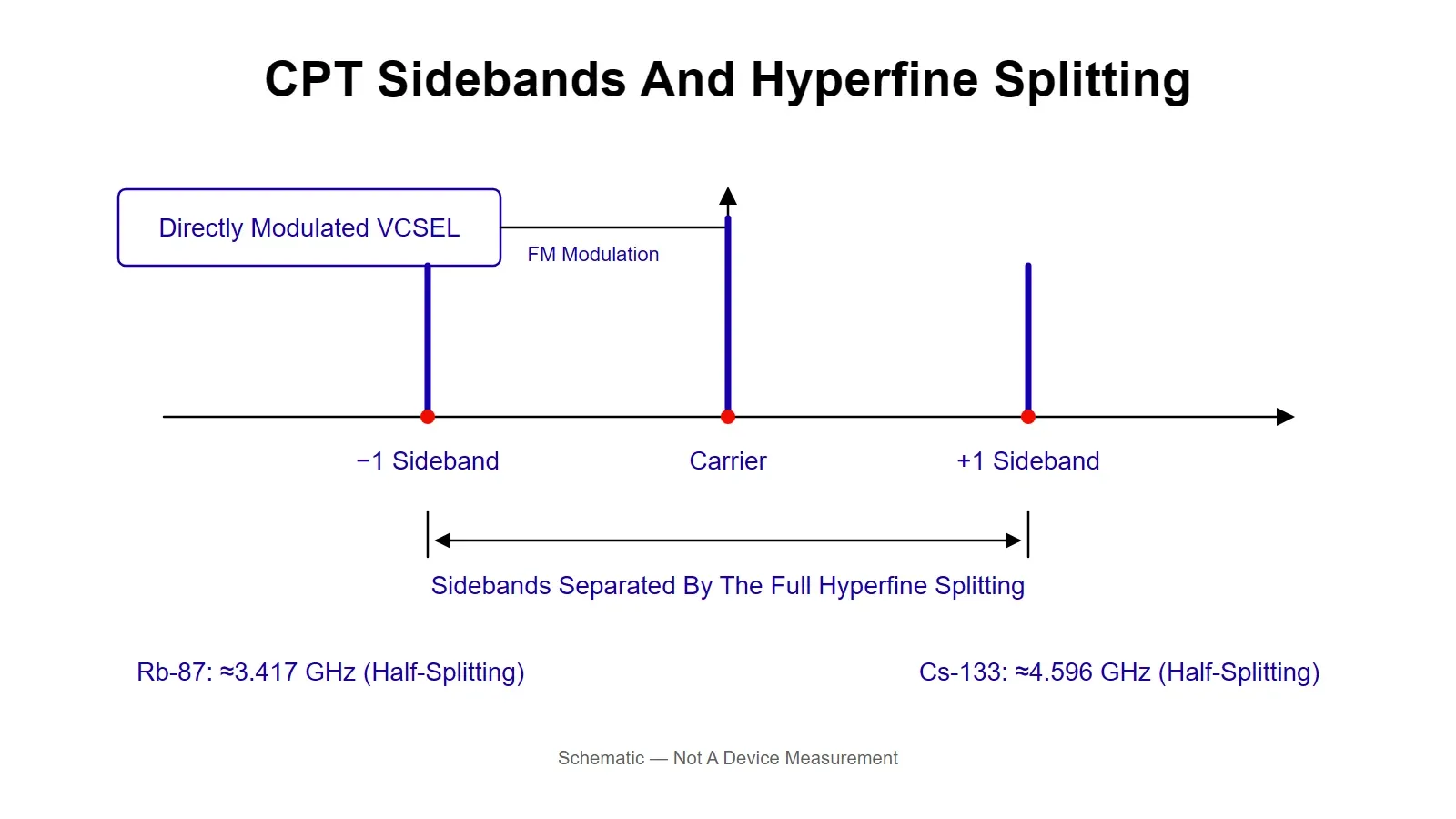
Learn what a chip-scale atomic clock VCSEL needs: single-mode output, narrow linewidth, D1 wavelength tuning, polarization, and RF modulation.
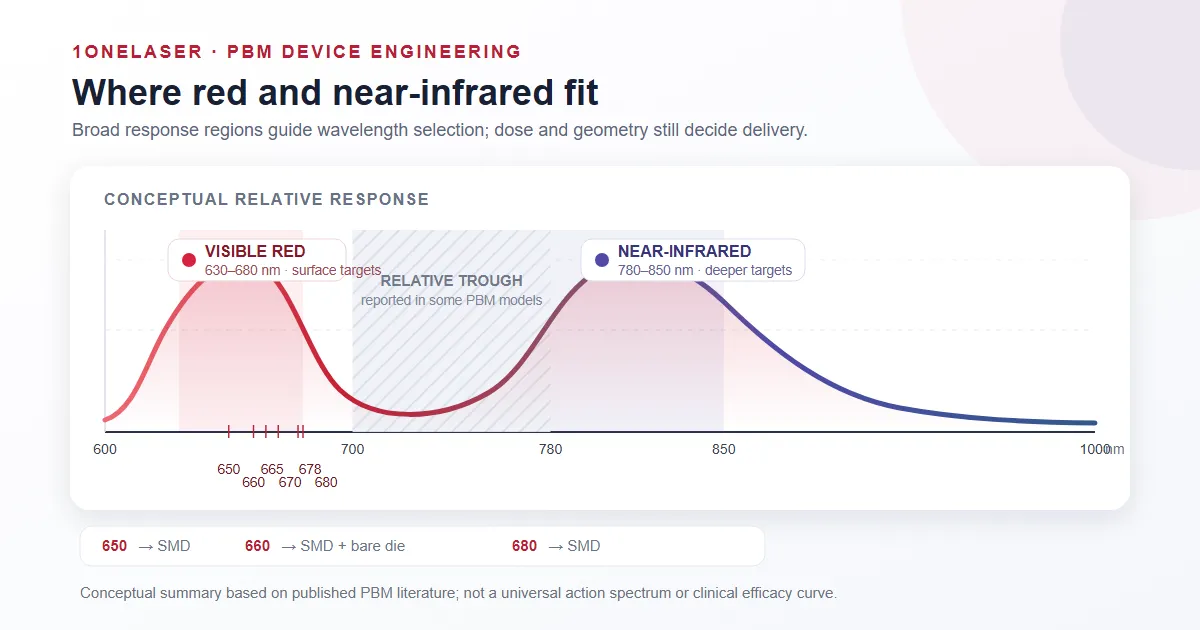
Best wavelength for red light therapy devices: matching 630–680nm red to skin and scalp targets, and knowing when near-infrared is required.
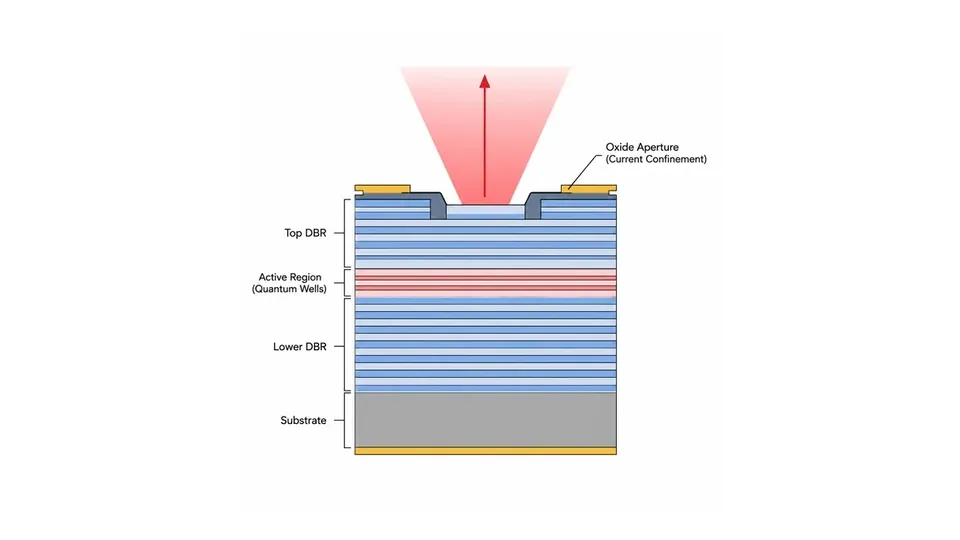
What is a VCSEL? A surface-emitting semiconductor laser whose structure enables wafer-level testing, binning, arrays, and a symmetric beam.
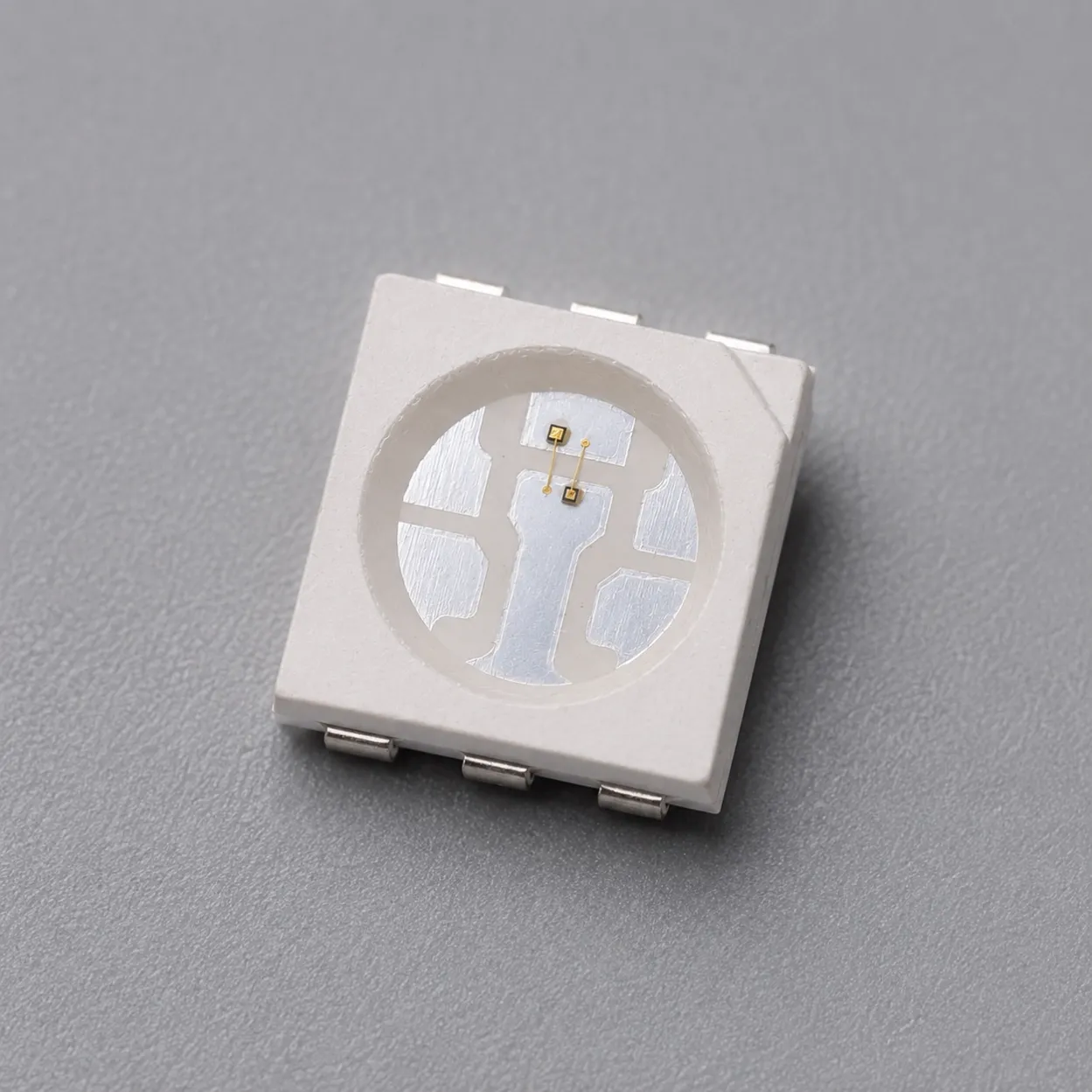
Learn how to evaluate 5050 VCSEL packages by wavelength, drive current, optical output, beam angle, thermal path, SMT process, and use case.
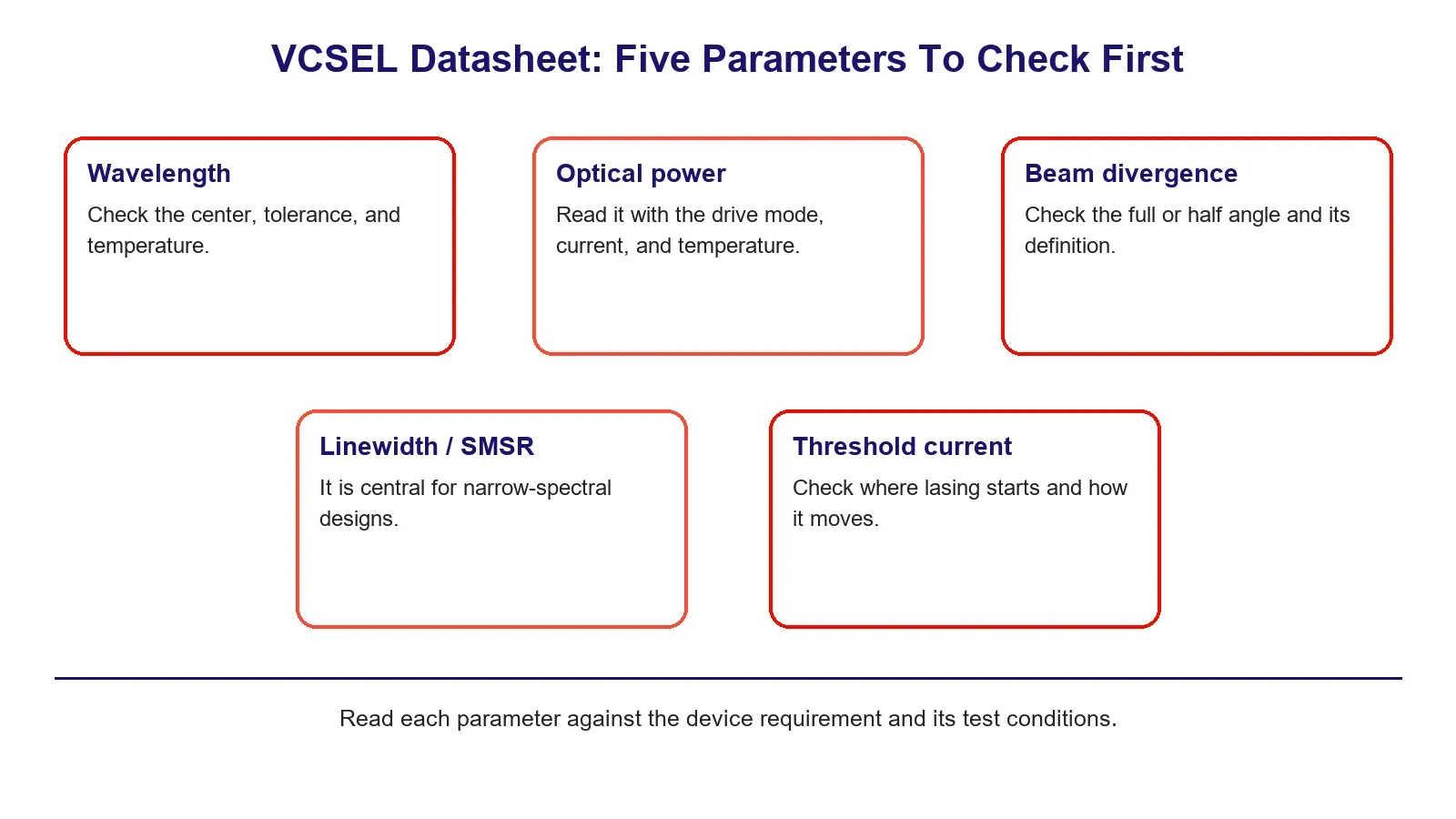
How to read a VCSEL datasheet: what wavelength, optical power, beam divergence, linewidth, and threshold current mean for your device.
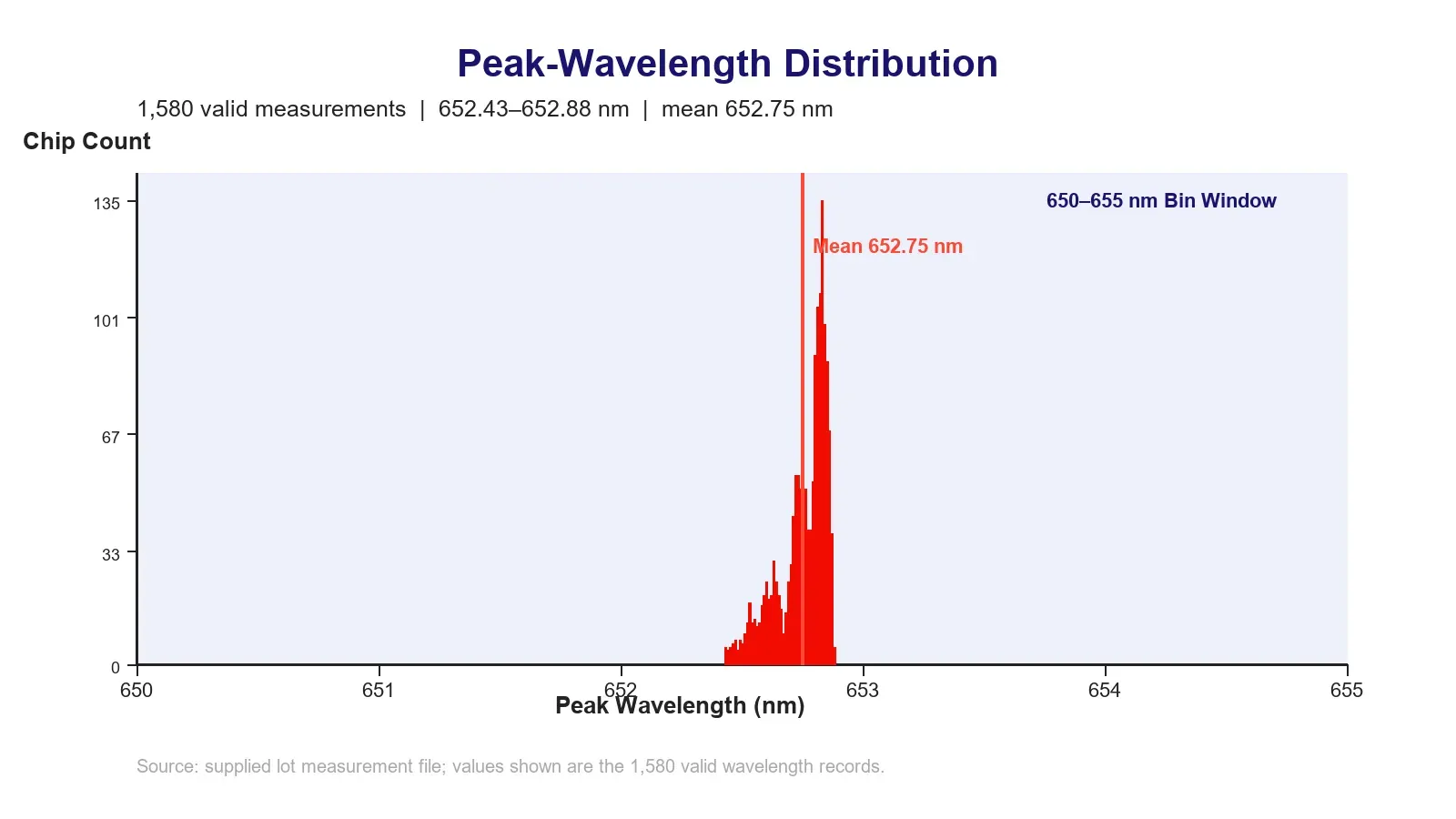
Red light devices often pass prototype but fail in production when peak wavelength and optical power vary across the production population.